The Problem Motors Have Without VFD
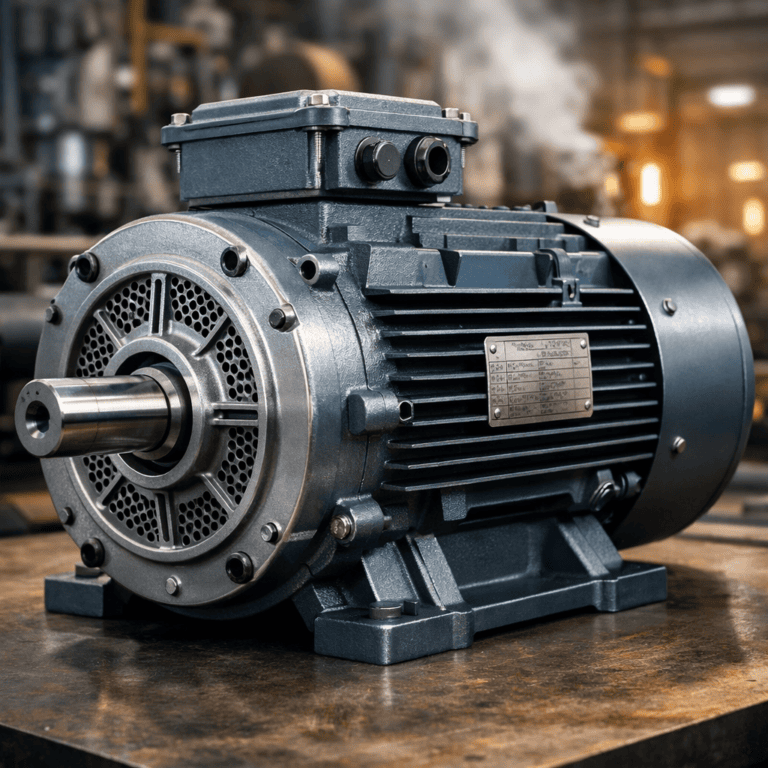
Almost all the electrical motors work at constant speed. The motor runs at the same speed no matter whether the pump will only be pumping small quantity of water or pumping it under high pressure; it uses the same amount of energy each time. This inefficiency is the main source of energy wastage which goes undetected on a monthly basis. Variable Frequency Drive or VFD, is a device that regulates the frequency of current supplied to the motor.
Reduce the motor speed to meet the requirements of the work, and you will see the benefits reflected in your next utility bill. This is what we usually explain to any enquirer of a VFD Supplier in UAE first, since it’s always the moment when the customers realize how much they have been paying too much. A business contacting a VFD Supplier in Saudi Arabia, a VFD Supplier in Qatar, or a VFD Supplier in Oman faces one of two possibilities; either the electricity bill prompted them to act or they are developing an automation solution which requires speed control right from the start.
Anyway, the ensuing discussion carries far more weight than most anticipate. Any supplier that just wants to know what the kW rating of your motor is and then quotes a drive based on a catalog page is neglecting the very essence of their job. At Pokhara Motors, the process begins by asking questions regarding how the machine functions.
How a VFD Talks to a Motor
The VFD is not only a means of controlling the speed of a motor but is rather the means of translation of electric supply into motor output. The VFD controls and adjusts the electrical supply in such a way that the required frequency is delivered to the motor.
Operation mechanisms of VFD:
- Conversion process: : Input AC is converted into DC and then into an AC signal of the required frequency (0-400Hz depending on the drive).
- Speed control: The motor’s speed corresponds to the change of output frequency.
- Load compatibility: Electronic components should be matched to the load of the motor; incompatible equipment will result in problems, not only inefficiency.
- Control modes:
- V/F control: Adjustment of voltage and frequency according to the fixed relation between them. It works best for constant load pumps and fans.
- Vector control: Control based on estimation/measurement of motor flux providing precise torque control. It is vital for cranes, hoists, and heavy/variable loads.
Such information is usually missing in catalogs, but it is important. An experienced supplier can fill in this gap making sure that a proper drive is selected beforehand.
What Energy Savings Actually Look Like in Practice
How do VFDs really work and what efficiencies do they really offer? The way that pumps and fans, which are centrifugal loads, perform is different from the expectations of many people. This is where efficiencies come in.
- Drop the speed by 20%, and the power needed falls by about 50% (cube law effect).
- A pump running at 80% speed most of the time but stuck at 100% without control wastes significant electricity.
- Soft-starting through a VFD reduces inrush current and mechanical shock.
- Less stress on bearings, belts, and couplings means lower maintenance costs over time.
All the above benefits do not include savings in energy expenses because they are not visible in technical specifications and can only be seen in real operations.
Matching Drive to Real-world Application
The purchase of a VFD is not all about buying the unit with the biggest power capability. In fact, it involves many other factors:
- The motor’s actual power rating and voltage
- Whether the application needs constant torque or variable torque
- The communication protocol your existing automation system already uses
- The ambient conditions where the drive will physically sit
- How much precision the application genuinely needs versus how much it’s paying for unnecessarily
Inappropriate consideration of any of these aspects can be evidenced very quickly through problems like nuisance tripping, overheating of the motor, and failure to deliver any promised savings. This is why it is very important to partner with the right VFD supplier in Saudi Arabia that bothers about the application before quoting prices. It is the same for any good VFD supplier in Oman to contact; at Pokhara Motors, one’s conversation with them always begins with the application rather than from the catalog.
VFDs Industrial Applications
A VFD appears wherever there’s a motor and a varying load:
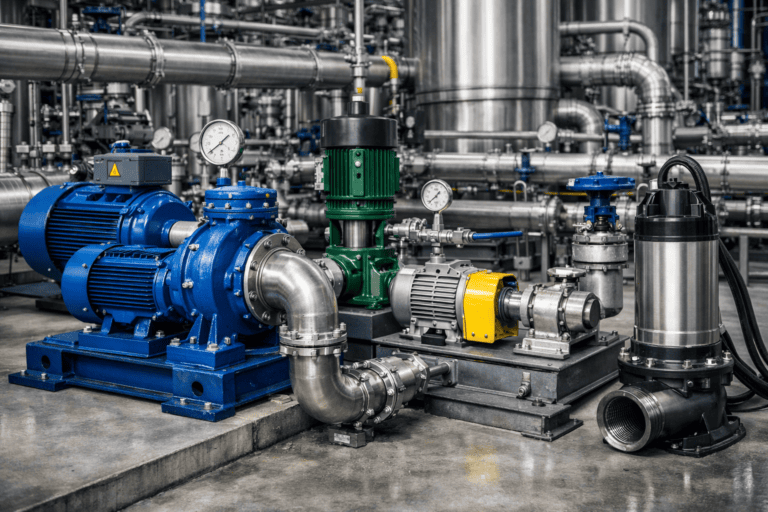
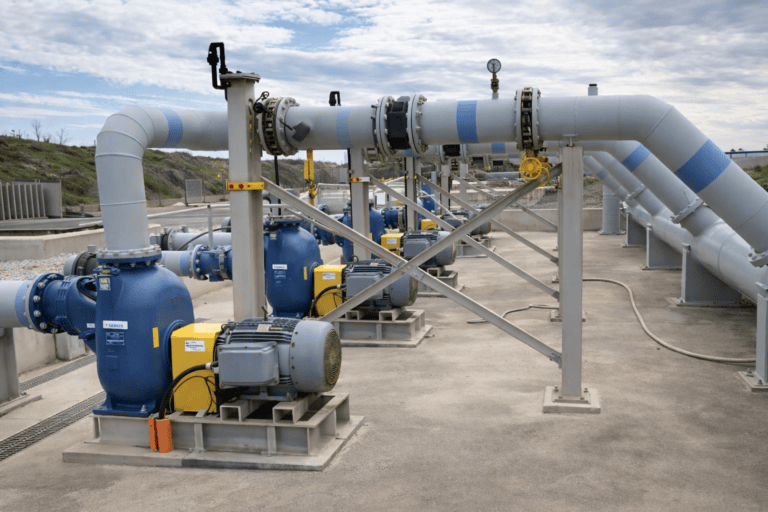
- Water treatment plants and pumping stations
- HVAC systems and building cooling loops
- Manufacturing conveyor lines
- Cranes, hoists, and elevators
- CNC machinery and injection molding equipment
- Industrial compressors and large fans
- Extruders and packaging lines
The real difference between the two is not in the motor drive system but in the mode of control and protection provided. The packaging machine would be interested in starting/stop cycles while the crane would be concerned with maintaining accurate torque on a lifted load. While both systems make use of “a VFD,” they are worlds apart when one analyzes their actual design.
Challenges with VFDs
Heat is the major issue for VFD when temperatures arise, reliability and performance are affected.
- VFDs have maximum operating temperature where on exceeding that point it starts to fall apart.
- Outdoor enclosures exposed to high ambient temperatures in midday summers are subjected to extreme heat conditions.
- Effective enclosure ventilation is mandatory for maintaining safe temperatures.
- Consideration must be given to ambient temperature capabilities and not just kW ratings alone.
- Additional cooling solutions are sometimes required in hot regions like Qatar.
Critical Mistakes in VFD Installations
The mistakes in VFD installations are:
- Selecting a drive purely based on motor horsepower without considering the actual application.
- Not considering the harmonics generated by the VFD which may affect the rest of the electrical system.
- Neglecting to do proper grounding and shielding which may create problems with noise in the electrical system.
- Installing the drive in an area where there is inadequate ventilation which increases thermal stress.
- Never resetting to reconfigure parameters once the drive is installed.
The problems do not appear immediately but as gradually rising maintenance costs.
Why Regional Factors Matter
There are factors in UAE, Saudi Arabia, Qatar, and Oman that will influence the long-term performance of a VFD even when the projects seem completely different from one another:
- The high temperature for long period of time.
- Dust accumulation due to installation in an outdoor industrial yard
- The fluctuations in power.
- Increasing cost of energy making efficiency upgrades more attractive than maintenance.
- Continuous operation in a lot of industrial settings.
Sometimes, a variable frequency drive designed for a milder environment will behave differently when deployed in such an environment. That is why companies are looking to find a VFD Supplier in UAE, a VFD Supplier in Saudi Arabia, a VFD Supplier in Qatar or a VFD Supplier in Oman instead of just buying any drive available online with the correct kW rating. At Pokhara Motors, all of our recommendations take into account such regional factors not only large industrial customers.
How to keep a VFD Running Smoothly
A VFD doesn’t need constant attention but a few prevention majors can save us from its unexpected downtime:
- Clearing the dust from cooling fans and ventilation paths timely.
- Checking terminal connections over time since vibration can loosen them.
- Monitoring for unusual heat, noise or faults rather than waiting for a full shutdown.
- Reviewing the parameter settings after any change to the application or load.
- Keeping the firmware and communication settings updated if the drive is connected to a larger system.
By following these maintenance tasks the unexpected down time of the variable frequency drives can be reduced.
What Pokhara Motors Offers
Veichi VFD
Veichi VFD solutions are designed to cover a wide power range from 0.5 to 250 kW to handle everything from small pumps to large industrial machineries without needing separate products.
- Operates on V/F or vector control modes
- Communication options: Modbus, CAN open, Profibus (depends on model)
- Continuous duty rated at operating temperature between -10°C and +50°C
- Perfect match for applications including pumps, fans, compressors, conveyors, CNC machinery, injection molding, extruders, cranes, hoists, elevators, mixers, textile machinery, water treatment, crushers, HVAC systems, irrigation, packaging machines and printing machines
As a trusted VFD Supplier in UAE, Saudi Arabia, Qatar and Oman, Pokhara Motors ensures businesses get the perfect match VFDs to their specific application. The right drive saves energy provides reliability along with durability.
Frequently Asked Questions
What is a Variable Frequency Drive (VFD)?
A Variable Frequency Drive (VFD) controls motor speed and torque by varying input frequency and voltage.
Why choose Pokhara Motors as a VFD supplier in UAE?
Pokhara Motors is a trusted VFD supplier in UAE, offering Veichi VFDs with expert application support and reliable after‑sales service.
Are Veichi VFDs suitable for industrial automation?
Yes, Veichi VFDs are designed for industrial automation, supporting V/F and vector control modes with communication options like Modbus, CANopen, and Profibus.
How to order VFDs from Pokhara Motors?
You can order VFDs directly by contacting the most suitable Pokhara Motors branch for you and get ours expert help to get the best suited VFD for your application.
Conclusion
A VFD is one of the tiniest components in an industrial plant, but it has an significance impact on energy costs, motors durability and overall process control. Selecting the right drive based not only on the horsepower but also considering the compatibility with the particular motor is crucial to save the maintenance and operating cost.
Contact Pokhara Motors
For reliable VFD solutions and expert support as your trusted VFD Supplier in UAE, Saudi Arabia, Qatar, and Oman, contact Pokhara Motors:
UAE (Head Office)
📞 +971 6 566 8176 | +971 6 566 8076
📧 sales@pokharamotors.com
Saudi Arabia
📞 +966 53 965 4113 (Dammam) | +966 53 038 0546 (Jeddah)
📧 info@pokharamotors.com
Qatar
📞 +974 6616 3852
📧 salesqa@pokharamotors.com
Oman
📞 +968 97225517
📧 oman@pokharamotors.com
🌐 Website: https://pokharamotors.com/