By Pokhara Motors | https://pokharamotors.com/
Introduction
Most gear pump failures aren’t really pump failures. The pump was fine. It just wasn’t the right one for the fluid, the pressure or the heat of a UAE plant, and by the time anyone notices, you’ve already lost production time and paid for an urgent replacement. If you’re looking for an industrial gear pump supplier in UAE, this guide will help you avoid that. We’ll walk through seven simple steps for choosing the right industrial gear pump for oil, resin and other thick fluids, and then show you exactly what to send us so Pokhara Motors can recommend, quote and deliver the right pump for your plant.
What a gear pump actually does
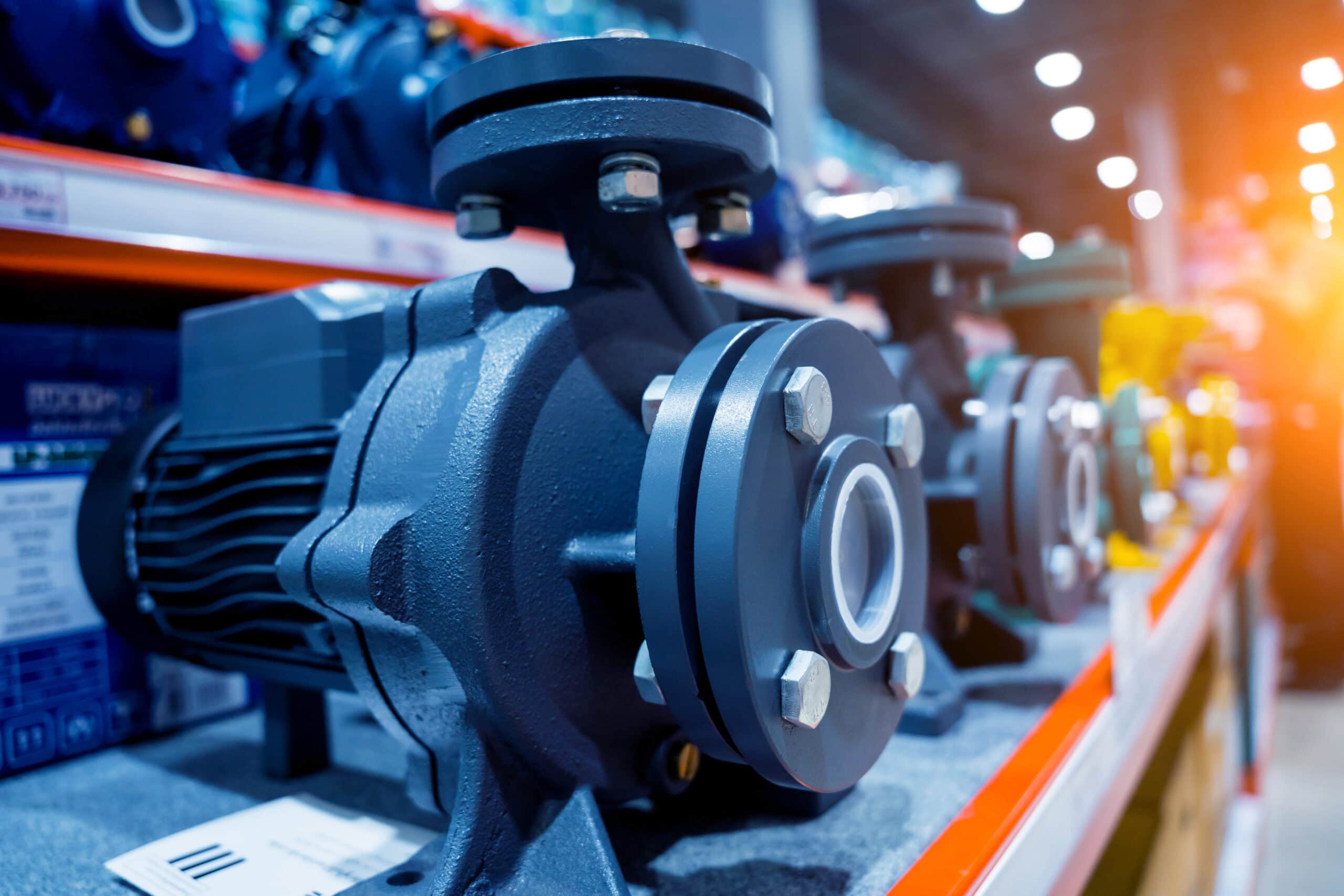
Think of a gear pump as a conveyor belt for liquid. Two gears mesh together inside a tight casing. As they turn, liquid gets caught in the gaps between the teeth, carried around the edge of the casing and squeezed out the other side. Every turn moves the same amount of fluid, so the flow stays steady even when the pressure changes. That is why gear pumps are the usual choice for thick, oily liquids such as lubricating oil, hydraulic oil, fuel oil, resin, paint and adhesives. They are compact, they can draw liquid in on their own (self-priming), and they have very few moving parts. What they don’t like: dirty fluids, running dry, and liquids that don’t lubricate. We’ll come back to all three.
Step 1: Start with the fluid, not the pump
Before you look at a single model, write down what you’re pumping. Four questions cover most of it:
- How thick is it at working temperature? Viscosity changes a lot with heat. Oil that is thick and slow on a cool morning behaves very differently after a 45°C afternoon.
- Does it lubricate? A gear pump relies on the fluid itself to lubricate its gears. Oils do this well. Water-like fluids do not.
- Is there anything solid in it? Sand, scale and metal particles act like sandpaper inside a gear pump. If your fluid isn’t clean, fit a strainer or filter before the pump.
- Is it corrosive? Aggressive fluids need the right materials, or a different pump altogether.
Put those four answers on one sheet and send it to your supplier. It is the most useful thing you can do. Here is a quick guide for common fluids:
| Fluid | Gear pump a good fit? | what to watch |
| Lubricating and hydraulic oil | Yes | Keep it clean and filter the suction side |
| Diesel and fuel oil | Often | Thin fluids slip at high pressure; check safety requirements |
| Resin, paint, adhesive | Yes | Watch for solids, and for fluid that thickens or cures in the pump |
| Water | Usually not | Little lubrication; a water pump is the better tool |
| Acids and solvents | Only with the right materials | Otherwise consider a chemical pump |
| Sand, slurry, abrasive mixes | No | The gears wear out quickly |
Step 2: External or internal gear pump?
There are two common designs, and the difference is simple:
- External gear pump: two matching gears side by side. It is simple, tough and common in hydraulic and lubrication work.
- Internal gear pump: a smaller gear turns inside a larger one. It tends to run more quietly and smoothly, and copes well with a wide range of viscosities, including very thick fluids.
As a rule of thumb, external pumps are often enough for general oil transfer and lubrication. Look at internal designs when the fluid is thick and sticky, or when low noise and smooth flow matter. If you’re not sure, ask your supplier. A good one will ask you questions back before recommending anything.
Step 3: Get the flow rate right
Flow comes from pump size and shaft speed. If the pump is too small, your process starves. If it is too big, you pay for energy you don’t need, then waste it by bypassing the extra flow.
Two things catch people out:
- Thin fluids slip. At high pressure, a thin fluid leaks back past the gears, so you get less flow than the catalogue figure.
- Thick fluids need patience. A very thick fluid can’t fill the pump fast enough if the pump spins too quickly. The pump starves, gets noisy and wears. Run it slower, keep the suction line short and wide, and consider warming the fluid.
So always give your supplier flow, pressure and viscosity together. One number on its own can’t size a pump.
Step 4: Plan for pressure, and protect the pump
A gear pump keeps pushing no matter what happens at the other end. Close a valve by mistake and the pressure climbs until something gives: a seal, a pipe or the motor.
That is why a relief valve is not optional. While you’re at it, check three more things:
- The pump’s maximum working pressure suits your system and piping.
- The suction line is short, straight and airtight. Even a small air leak causes noise and poor flow.
- The direction of rotation is correct before the first start-up. Many pumps only work properly one way.
Step 5: Choose materials and seals that suit the fluid
Materials and seals decide whether a pump runs for years or starts leaking within months.
- Cast iron works well for many oils and lubricants.
- Stainless steel is the better choice for corrosive or hygiene-sensitive fluids.
- Seals must suit both the fluid and the temperature. A mismatched seal is a classic cause of early leaks. If leakage is a safety concern, ask about seal-less designs such as magnetic drive.
If your fluid is aggressive enough that you worry about every material in the pump, a chemical pump may be the safer route.
Step 6: Think about where the pump will actually live
A pump chosen for a mild climate can struggle on a Gulf site. Before you order, think about:
- Heat. It thins oil and puts extra stress on the motor and seals. A pump in direct sun, or beside hot machinery, runs hotter than the room temperature suggests.
- Dust and humidity. Choose a motor with a suitable IP rating and keep vents and breathers clear.
- Cold starts. Oil that has sat overnight is thicker, so the motor needs enough starting torque.
- Duty. A pump running 24 hours a day needs a different specification from one running a few hours a shift. Tell your supplier which it is.
Step 7: Match the drive, then choose a supplier who answers the phone
The pump is only one part of the system. The motor, gearbox and controls matter just as much:
- Motor: size it for the worst-case start-up with thick fluid, not only for normal running. Our guide on how to choose the right industrial gear motor explains how.
- Gearbox: pumps handling thick fluids often need to turn slowly. A gearbox gives you that. See our gear box supplier in UAE guide.
- VFD: a VFD lets you fine-tune speed and flow, and gives the pump a softer start.
Then put a few honest questions to your supplier:
- Can you recommend a pump from my fluid data, or will you only quote the model I name?
- Are spare parts and seal kits available locally?
- How long will delivery take?
- Who do I call if something goes wrong after installation?
The answers tell you more about a supplier than any brochure. At Pokhara Motors, we’re happy to go through all four with you before you buy.
Common gear pump mistakes
- Choosing on price alone
- Judging viscosity at room temperature instead of working temperature
- Letting the pump run dry, even briefly
- Skipping the relief valve
- Pumping dirty fluid with no strainer
- Sizing the motor for running, not for starting
Avoid these six and you’ve avoided most of the problems we hear about.
How to buy an industrial gear pump from Pokhara Motors
Once you’ve worked through the steps above, buying is straightforward:
- Gather your details. Fluid name, viscosity and working temperature, the flow and pressure you need, your power supply, daily running hours, and whether the pump will be indoors or outdoors. Don’t worry if some are missing. Send what you have.
- Send them to us. Use our contact page, or email or call the nearest office listed below.
- Get a recommendation. Our engineers review your application and suggest a suitable gear pump, along with the motor, gearbox or VFD if you need them.
- Confirm and order. Once you’re happy with the selection, we arrange your order and delivery across the UAE, Qatar, Saudi Arabia and Oman.
- Get support after the sale. Spare parts, maintenance tips and technical help are available when you need them.
Ready now? Request a quote or call us on +971-6-5668176 (UAE).
Questions people often ask
What is a gear pump best at? Moving thick, lubricating liquids such as oil, resin and hydraulic fluid at a steady flow and pressure.
Can it handle very thick fluids? Yes, within limits. Run it slower, keep the suction line short and wide, and warm the fluid if it is too stiff to flow in easily.
Can I use a gear pump for water? Usually it isn’t the best choice, because water doesn’t lubricate the gears. A water pump is normally the better tool.
How do I know my gear pump is wearing out? Look for falling flow or pressure, more noise, extra heat and new leaks. A drop in flow when pressure rises is often the first sign.
What should I send for a quote? The fluid name, its viscosity and temperature, the flow and pressure you need, your power supply, daily running hours, and whether the pump will be indoors or outdoors.
Need a different kind of pump?
Gear pumps aren’t right for every job. Pokhara Motors also supplies vacuum pumps, water pumps and chemical pumps. You can see everything in our industrial pump range.
Ready to buy an industrial gear pump in UAE? Talk to us
Pokhara Motors is an industrial gear pump supplier in UAE that also serves Qatar, Saudi Arabia and Oman. Browse the gear pump range, then send us your fluid, flow and pressure and we’ll help you choose the right pump. Prefer to talk? Call +971-6-5668176 or email sales@pokharamotors.com.
Contact Pokhara Motors
- Website: https://pokharamotors.com/
- UAE: sales@pokharamotors.com | +971-6-5668176 | +971-6-5668076
- Qatar: salesqa@pokharamotors.com | +974-66163852
- Saudi Arabia (Dammam): info@pokharamotors.com | +966-53 965 4113
- Saudi Arabia (Jeddah): info@pokharamotors.com | +966-53 038 0546
- Oman: oman@pokharamotors.com | +968 97225517