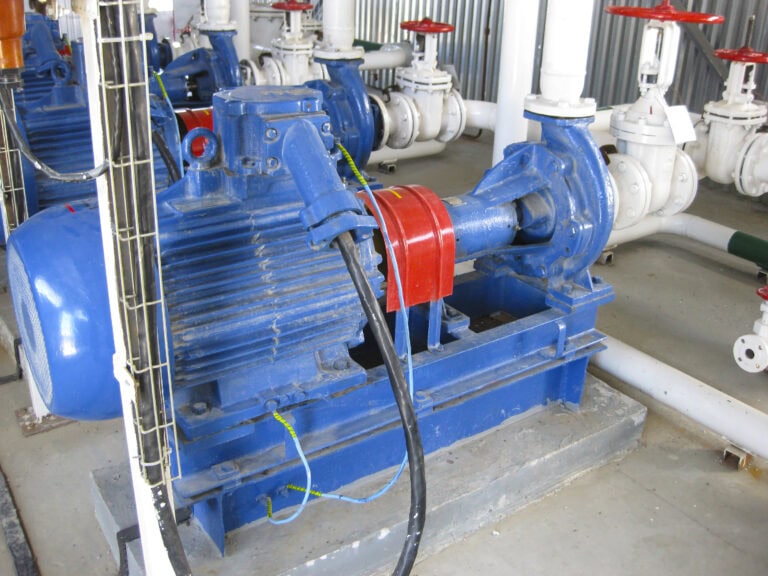

Choosing the right electric motor for a hazardous industrial environment requires more than checking the power rating. Where flammable gases, vapors or combustible dust may be present, the motor needs to match the hazardous-area requirements as well as the equipment it will drive.
An explosion proof electric motor is designed with specific protection features for use in defined hazardous environments. The correct selection depends on several factors including area classification, protection method, certification, temperature class, power, speed, voltage, frequency, mounting arrangement and operating conditions.
For industrial applications in the UAE and across Saudi Arabia, Qatar and Oman, understanding these requirements before ordering a motor can help avoid incorrect specifications and unnecessary changes during installation. Pokhara Motors supplies Atlas and PYTHON explosion proof electric motors and can help businesses review available options according to their application and project requirements.
What Makes an Electric Motor Suitable for a Hazardous Area?
A hazardous area is a location where flammable gas, vapor or combustible dust may be present in a concentration that requires specially selected electrical equipment. A standard industrial motor is not automatically suitable for these locations. An explosion proof electric motor uses a protection design intended for the classified environment. One important protection concept is the flameproof enclosure where the design is intended to contain an internal ignition and prevent it from igniting the surrounding atmosphere.
The complete motor marking still needs to be checked against the installation. An explosion proof motor should not be selected simply because it is described as explosion proof. The area classification, protection method, certification and operating conditions all need to match the application.
When an industrial facility operates in an environment where explosive gases or combustible dust may be present, motor selection requires more than simply choosing the correct power rating. Businesses need to work with an explosion proof electric motors supplier in UAE that can provide suitable motor options according to the hazardous-area classification, protection requirements, power, speed and installation conditions. Pokhara Motors supplies Atlas and PYTHON explosion proof electric motors for industrial applications and can help customers identify the appropriate motor range for their requirements.
Understanding Hazardous Area Classifications
Hazardous areas are classified according to the likelihood and type of explosive atmosphere that may be present. Gas and vapor environments use different zone classifications from combustible dust environments. Knowing the zone is one of the first steps when selecting an explosion proof electric motor because the required equipment protection depends on the conditions expected at the installation.
Zone 1 and Zone 2
Zone 1 refers to an area where an explosive gas or vapor atmosphere is likely to occur during normal operation.
Zone 2 refers to an area where an explosive gas or vapor atmosphere is not likely to occur during normal operation but may occur occasionally and remain present for a short period.
These classifications can apply to areas where flammable liquids, gases or vapors are processed, stored or transferred. The motor specification should therefore be checked against the hazardous-area classification provided for the installation rather than selected from the zone name alone.
Zone 21 and Zone 22
Zone 21 and Zone 22 are used for hazardous areas involving combustible dust.
Zone 21 refers to an area where combustible dust is likely to be present during normal operation.
Zone 22 refers to an area where combustible dust is not normally present but may occur occasionally and remain present for a limited period.
Depending on the process, such conditions can occur in areas involving grain handling, chemical processing, material handling and other dust-generating operations. The exact classification should always be confirmed from the project’s hazardous-area documentation before an explosion proof electric motor is selected from a supplier.
Important Explosion Protection Concepts
Several technical terms appear when specifying explosion proof electric motors. Understanding these terms makes it easier to compare motor specifications and discuss the correct requirements with a supplier.
What Does Ex d Mean?
Ex d refers to a flameproof enclosure protection concept. The enclosure is designed to withstand an internal explosion and prevent the ignition from propagating to the surrounding explosive atmosphere.
Ex d does not mean that the motor is suitable for every hazardous area. The complete equipment marking and certification must still correspond to the installation requirements. For example, the Atlas explosion proof motor listed by Pokhara Motors is specified as Ex d IIB T4 / ATEX Certified. Its other technical specifications must also be considered when determining suitability.
What Is ATEX?
ATEX is a European regulatory framework covering equipment and protective systems intended for use in potentially explosive atmospheres.
When an explosion proof motor is described as ATEX certified, the applicable certification and equipment marking should still be checked against the intended installation. The certificate should be considered together with the hazardous-area classification rather than treated as a standalone indication that the motor is suitable for every hazardous environment.
What Is IECEx?
IECEx is an international certification system associated with equipment used in explosive atmospheres.
IECEx documentation can be relevant when equipment is being specified for hazardous-area projects that require internationally recognized certification. The exact certificate and equipment marking should be reviewed before selecting a motor. Certification requirements can vary according to the project and installation. Businesses reviewing explosion protection requirements can refer to the IECEx Certified Equipment Scheme for additional information on certification and equipment compliance.
Why Does Temperature Class Matter?
Temperature class is an important consideration in hazardous-area equipment selection. Electrical equipment generates heat during operation. In a hazardous environment, the maximum surface temperature of the equipment needs to be appropriate for the surrounding atmosphere.
The required temperature class depends on the substances that may be present and the requirements of the classified area. This means a motor should not be selected only because its power and speed match the machine. The hazardous-area requirements also need to be satisfied.
What Does the IP Rating Tell You?
The IP rating describes the level of protection provided by an enclosure against the ingress of solids and water under defined test conditions. IP protection is important for industrial motor selection because dust and moisture can affect equipment operation.
However, IP protection and explosion protection are not the same thing. A high IP rating does not automatically make a standard electric motor suitable for a hazardous area. Both requirements should be evaluated separately.
How to Select the Correct Explosion Proof Electric Motor
Once the hazardous-area requirements are understood, the motor can be selected according to the machine and its operating conditions.
1. Start With the Application
Begin by identifying what the motor will drive. The equipment could be a pump, fan, compressor, conveyor or another industrial machine. The application affects the required power, speed, duty and operating characteristics.
The surrounding environment should also be identified. A motor installed near flammable gases can have different requirements from one installed in an area where combustible dust is the main concern.
2. Check Motor Power
Motor power needs to match the driven equipment and its operating load. A motor with insufficient power can operate under excessive load while selecting a much larger motor than necessary can affect the overall system design and cost.
The required power should therefore be based on the actual equipment requirements rather than simply selecting the largest available motor.
3. Confirm Voltage and Frequency
Voltage and frequency must match the available electrical supply and the requirements of the equipment. The Atlas explosion proof motor listed by Pokhara Motors is available with 220V, 380V and 660V configurations and 50/60 Hz options. The exact combination should be confirmed for the selected model before ordering.
A voltage or frequency mismatch can affect motor performance and installation requirements.
4. Select the Required Speed
Motor speed is related to the number of poles and operating frequency.
A pump may require a different motor speed from a fan, conveyor or compressor. The required RPM should therefore be determined from the driven equipment. The Atlas explosion proof range listed by Pokhara Motors includes 2, 4, 6 and 8 pole options with listed speeds of 730, 980, 1450 and 2970 RPM depending on the configuration.
5. Check the Mounting Arrangement
The mounting arrangement determines how the motor connects mechanically to the equipment.
Common configurations include foot and flange mounting. The Atlas explosion proof motor listed by Pokhara Motors includes IM B3, B5, B14, B34 and B35 mounting options depending on the selected configuration. Before ordering a replacement motor, compare the mounting arrangement and mechanical dimensions with the existing equipment.
6. Consider Motor Duty
Motor duty describes how the motor is expected to operate. The Atlas explosion proof motor listed by Pokhara Motors is specified for S1 continuous duty. For other motor configurations, the required duty should be confirmed according to the actual operating cycle of the machine.
7. Check the Operating Environment
The surrounding environment can affect motor selection. Temperature, dust, moisture and chemical exposure may all need to be considered together with the hazardous-area classification. A motor selected for an indoor installation may not automatically be the right choice for an outdoor or more demanding process environment.
Choosing an explosion proof motor for a UAE project should begin with the actual operating conditions. The required power, voltage, frequency, speed, mounting arrangement and hazardous-area classification all need to be considered before a motor is selected. Businesses looking for an Explosion Proof Electric Motor Supplier in UAE can review the available Explosion Proof Electric Motor range from Pokhara Motors and compare the motor configuration with their equipment and site requirements.
Explosion Proof Motor Applications
Explosion proof electric motors can be used in defined hazardous areas where electrical equipment needs appropriate protection against ignition risks. The application does not determine the motor specification by itself. The actual hazardous-area classification and equipment requirements still need to be checked.
1. Oil and Gas
Oil and gas facilities can contain areas where flammable gases or vapors may be present.
Motors can be required for pumps, fans, compressors and other industrial equipment. The motor needs to match the classified area and the requirements of the driven machine.
2. Petrochemical and Refinery Applications
Petrochemical and refinery operations can involve flammable substances and controlled hazardous areas.
Motor selection should consider the area classification, protection method, certification and electrical requirements of the installation. Pokhara Motors lists oil and gas, refineries and petrochemical industries among the applications for its Atlas explosion proof motor.
3. Chemical Processing
Chemical processing facilities can involve gases, vapors and substances that require specially selected electrical equipment.
The motor should be selected according to the substances involved and the hazardous-area documentation for the installation. Pokhara Motors lists chemical plants among the applications for its Atlas explosion proof motor and identifies oil, gas and chemical sites for its PYTHON explosion proof range.
4. Mining
Mining environments can involve demanding operating conditions and combustible dust in certain areas. Where a hazardous dust classification applies, the motor needs to match the applicable requirements.
5. Fuel Storage and Handling
Fuel storage and transfer areas can involve flammable vapors.
Motors used with pumps and other equipment in these areas should be selected according to the applicable hazardous-area classification and equipment requirements.
6. Manufacturing and Processing
Some manufacturing processes can produce flammable vapors or combustible dust.
Not every manufacturing environment requires an explosion proof motor. The requirement depends on the actual conditions and classification of the installation.
Can an Explosion Proof Motor Be Used With a VFD?
A Variable Frequency Drive can control motor speed by changing the frequency and voltage supplied to the motor. An explosion proof motor may be used with a VFD when the specific motor and drive arrangement are suitable for the intended operating conditions. The selection should consider the required speed range, motor temperature, cooling, insulation, hazardous-area requirements and the complete installation.
Pokhara Motors Atlas and PYTHON three phase electric motors are compatible with VFD systems. However, the suitability of a specific explosion proof motor and VFD combination should be confirmed for the selected motor and application before installation.
If variable-speed operation is required, provide the intended speed range and operating conditions when requesting the motor.
Atlas and PYTHON Explosion Proof Electric Motors
Pokhara Motors offers Atlas and PYTHON Explosion Proof Electric Motors for industrial applications where the motor needs to be selected for a hazardous environment. Both ranges are positioned for applications involving explosive gases or combustible dust with the exact motor specification depending on the application and installation requirements.
Atlas Explosion Proof Electric Motor
The Atlas Explosion Proof Electric Motor is a three phase explosion proof induction motor with a cast iron frame. Pokhara Motors lists IEC 80-200 frame sizes with IM B3, B5, B14, B34 and B35 mounting options. The range includes 2, 4, 6 and 8 pole configurations with S1 continuous duty.
The listed specifications include 0.18-355 kW output, 220V/380V/660V voltage options, 50/60 Hz frequency, speeds from 730 to 2970 RPM, IP55 protection, TEFC IC411 cooling and Class F insulation. The explosion protection specification is Ex d IIB T4 with ATEX certification and the range is available in IE2 and IE3 efficiency classes.
Pokhara Motors lists the Atlas explosion proof motor for applications including oil and gas, chemical plants, mining, paint factories, grain storage and petrochemical industries.

PYTHON Explosion Proof Electric Motor
The PYTHON Explosion Proof Electric Motor is another option available from Pokhara Motors for hazardous industrial environments. The company’s current electric motor information lists PYTHON explosion proof motors in frame sizes 63-355 with a capacity range of 0.09-315 kW. Pokhara Motors describes these motors for environments where explosive gases or combustible dust may be present and identifies oil, gas and chemical sites among the relevant applications.
When selecting a PYTHON explosion proof motor, the required power, speed, voltage, frequency, mounting arrangement, hazardous-area classification and other project requirements should be confirmed before choosing the specific configuration.

fig: Python Explosion Proof Electric Motor
As an Explosion Proof Electric Motor Supplier in UAE, Pokhara Motors provides Atlas and PYTHON motor ranges for customers who need to match the motor specification with their application, operating environment and installation requirements. View the Explosion Proof Electric Motor range to review the available options.
Explosion Proof Electric Motor Selection for Industrial Applications in the UAE
Industrial applications in the UAE often require motors designed for different operating conditions. A motor used in a controlled production area may have different specifications compared to one installed near fuel handling or other hazardous processes. The important considerations while selecting explosion proof electric motor include:
1. Hazardous-area classification
Confirm the classification of the installation zone to ensure compliance with safety standards.
2. Protection method and certification
Identify the required protection type, certification, and temperature rating before finalizing the selection.
3. Electrical and mechanical specifications
Match motor power, RPM, voltage, and frequency with the driven equipment and available supply. Verify mounting dimensions before ordering.
4. Environmental conditions
Assess ambient temperature, dust, moisture, and chemical exposure, as these factors may affect motor performance.
5. Technical documentation
Provide the supplier with equipment datasheets and hazardous-area details instead of requesting motors only by horsepower or kW. This ensures accurate selection without assumptions.
For industrial projects in the UAE, choosing the right Explosion Proof Electric Motor Supplier in UAE is an important part of sourcing an explosion proof motor. Pokhara Motors offers Atlas and PYTHON options for applications where the motor must be selected according to power, speed, mounting, protection and hazardous-area requirements. Customers can review the available explosion proof motor range and discuss their application before selecting the appropriate configuration.
For customers comparing motor options beyond hazardous-area applications, our Electric Motor supplier in UAE guide covers Atlas and PYTHON motor types, applications and selection factors.
Explosion Proof Electric Motor Selection in Saudi Arabia, Qatar and Oman
The same basic selection process applies when explosion proof motors are specified for industrial projects in Saudi Arabia, Qatar and Oman.
The important information remains the hazardous-area classification, protection requirements, certification, motor power, speed, voltage, frequency, mounting arrangement, duty and operating environment. Oil and gas, petrochemical, chemical, manufacturing and other industrial facilities can have different hazardous-area requirements even within the same country. For this reason, the country alone should never determine the motor specification. The actual project documentation and area classification should guide the selection.
Pokhara Motors supplies Atlas and PYTHON electric motor options across UAE, Saudi Arabia, Qatar and Oman. The exact motor should be selected according to the project requirements rather than simply by country or industry.
What Information Should You Give to the Electric Motor Supplier?
A complete technical request makes it easier to identify a suitable motor and reduces unnecessary back-and-forth communication. Before requesting an explosion proof electric motor, provide as much of the following information as possible:
- Required motor power in kW or HP
- Required operating speed or RPM
- Voltage
- Frequency
- Number of phases
- Motor duty
- Mounting arrangement
- Frame size if known
- Hazardous-area zone
- Gas or dust classification
- Required protection method
- Temperature class
- Required certification
- Ambient temperature
- Indoor or outdoor installation
- Driven equipment type
- Direct-on-line or VFD operation
- Existing motor details if replacing an installed motor
A clear photo of the existing motor nameplate can also help when replacing an installed unit. For a new installation, the equipment datasheet and hazardous-area classification are particularly useful. The more complete the technical information, the easier it is for Pokhara Motors to compare available Atlas and PYTHON configurations against the actual application requirements.
Common Mistakes When Choosing an Explosion Proof Electric Motor
One common mistake is selecting a motor only by power. Two motors with the same kW rating may have different speeds, mounting arrangements, protection requirements or certifications. Another mistake is treating IP protection as the same thing as explosion protection. IP protection describes enclosure protection against ingress while hazardous-area protection addresses ignition risks and the requirements of explosive atmospheres.
Selecting a motor simply because it is labelled “explosion proof” can also lead to an incorrect choice. The complete marking and certification need to match the installation. VFD operation deserves attention as well. The motor and drive should be evaluated together when variable-speed operation is required.
Finally, replacing an existing motor without checking its mounting, shaft dimensions, electrical characteristics and hazardous-area requirements can create installation problems. A proper motor selection considers the complete system rather than one specification.
Frequently Asked Questions
What is an explosion proof electric motor?
An explosion proof electric motor is designed with protection features intended for operation in specified hazardous environments where flammable gases, vapors or combustible dust may be present. The exact suitability depends on the motor’s marking, certification and the hazardous-area classification.
What is the difference between Zone 1 and Zone 2?
Zone 1 is an area where an explosive gas or vapor atmosphere is likely to occur during normal operation. Zone 2 is an area where such an atmosphere is not likely during normal operation but may occur occasionally under abnormal conditions.
What are Zone 21 and Zone 22?
Zone 21 and Zone 22 relate to combustible dust environments. Zone 21 covers areas where combustible dust is likely to be present during normal operation while Zone 22 covers areas where combustible dust is not normally present but may occur occasionally.
What does Ex d mean?
Ex d refers to a flameproof enclosure protection concept. The enclosure is designed to contain an internal explosion and prevent ignition from propagating to the surrounding explosive atmosphere.
What does ATEX mean for an explosion proof motor?
ATEX refers to the European regulatory framework for equipment and protective systems intended for potentially explosive atmospheres. The applicable certification and equipment marking should be checked against the intended installation.
Can an explosion proof motor be used with a VFD?
It can be possible when the specific motor, VFD and installation requirements are compatible. The operating speed range, temperature, cooling, insulation and hazardous-area requirements should be evaluated before installation.
What information is needed to select an explosion proof motor?
Useful information includes motor power, speed, voltage, frequency, mounting arrangement, duty, hazardous-area zone, protection method, temperature class, certification and environmental conditions.
Are explosion proof motors only used in oil and gas?
No, they can also be used in suitable hazardous areas associated with chemical processing, petrochemical operations, mining, fuel handling and some manufacturing processes. The need for explosion protection depends on the classified area rather than the industry name alone.
Final Checklist Before Ordering
Before ordering an explosion proof electric motor, check:
- Hazardous-area classification
- Gas or dust classification
- Protection method
- Certification
- Temperature class
- Motor power
- Motor speed
- Voltage
- Frequency
- Mounting arrangement
- Duty
- IP protection
- Operating environment
- VFD requirements if applicable
Confirming these details before purchase helps reduce the risk of selecting a motor that does not match the installation or driven equipment.
Conclusion
Selecting an explosion proof electric motor should start with the hazardous environment and the machine requirements.
The correct choice involves more than matching kW or HP. Area classification, protection method, certification, temperature class, IP protection, voltage, frequency, speed, mounting and duty all need to be considered together.
For industrial applications in the UAE, Saudi Arabia, Qatar and Oman, providing complete technical information before requesting a motor can make the selection process much easier. As an Explosion Proof Electric Motor Supplier in UAE, Pokhara Motors can help customers review the available motor options according to their application and project requirements.
Once the requirements are clear, the Atlas and PYTHON explosion proof motor options can be reviewed against the project specifications. This approach keeps the focus on finding a motor that matches the actual application rather than choosing equipment based on a single specification.
Contact Pokhara Motors
UAE (Head Office)
📞 +971 6 566 8176 | +971 6 566 8076
📧 sales@pokharamotors.com
Saudi Arabia
📞 +966 53 965 4113 (Dammam) | +966 53 038 0546 (Jeddah)
📧 info@pokharamotors.com
Qatar
📞 +974 6616 3852
📧 salesqa@pokharamotors.com
Oman
📞 +968 97225517
📧 oman@pokharamotors.com
🌐 Website: https://pokharamotors.com/