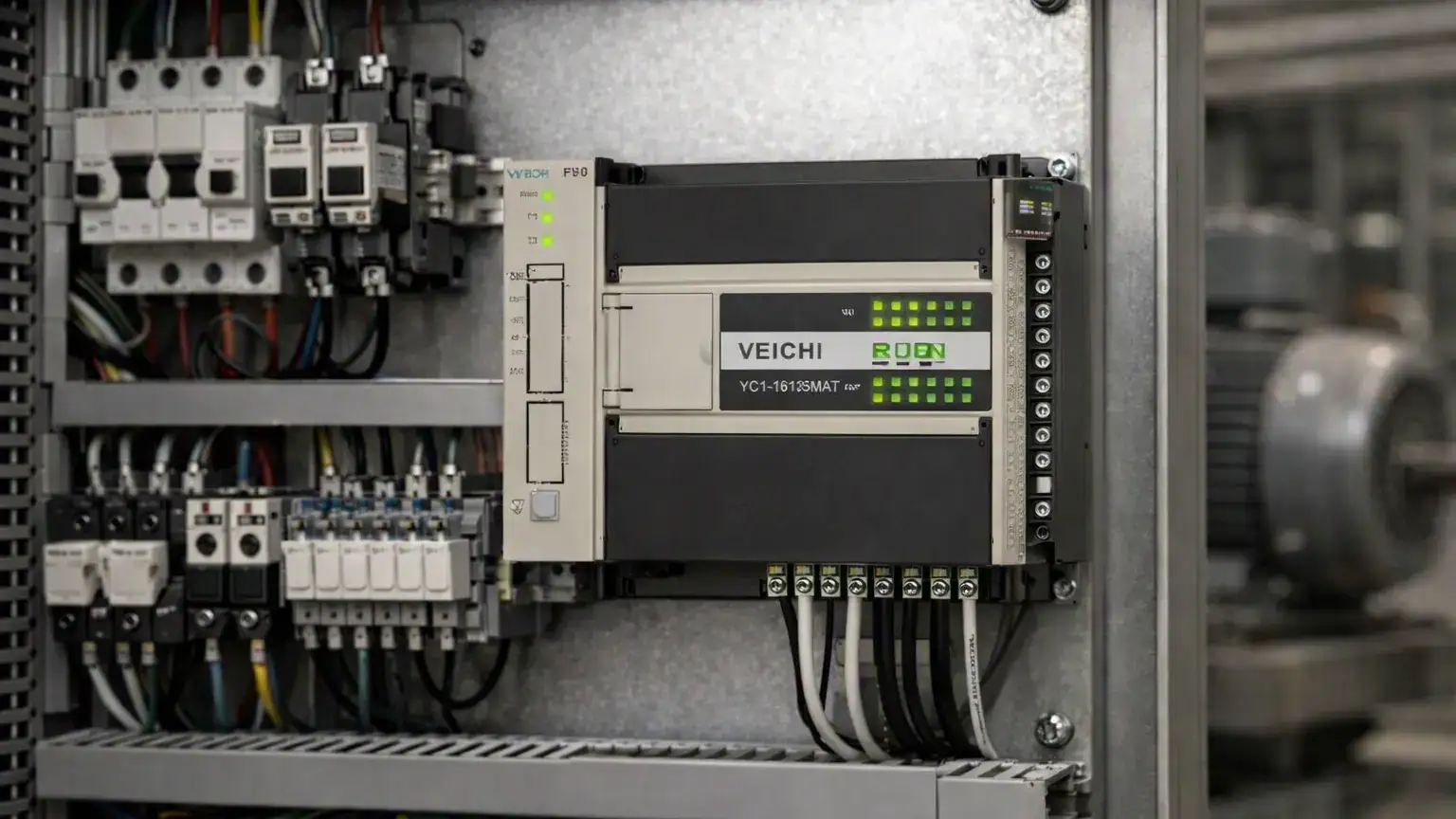
Variable frequency drives (VFDs) control the speed of electric motors in many industrial applications. They allow motors to start gradually, adjust their operating speed and respond to changes in machine load. However, a motor may sometimes trip during startup, take too long to reach the required speed or draw more current than expected.
These problems can interrupt production and place additional demands on maintenance teams. Although a faulty drive may be responsible, the cause often lies elsewhere in the system. Incorrect acceleration settings, excessive mechanical load, incorrect motor data and electrical problems can all affect how a motor starts.
Understanding the cause is important before making any adjustments. This guide explains the common reasons for VFD acceleration trips, the checks that help identify the problem and the factors to consider when selecting a suitable drive for an industrial application. Businesses looking for a suitable VFD supplier in UAE can review the available drive options in Pokhara Motors and compare their specifications with the requirements of their industrial applications.
How Does a VFD Control Motor Acceleration?
A variable frequency drive controls the frequency and voltage supplied to an AC motor. By adjusting these values, the drive controls motor speed and helps the motor accelerate according to the configured settings.
When a motor starts, the drive must provide enough torque to overcome the resistance of the connected machine. The amount of torque required depends on the motor, the machine’s mechanical condition and the load present at startup.
For example, a ventilation fan may start with relatively little resistance. A conveyor carrying material or a mixer containing heavy material may require considerably more torque to begin moving.
If the motor needs more current or torque than the drive can provide under the existing operating conditions, acceleration may slow down or the drive may trigger a protective fault.
For this reason, an acceleration problem should not automatically be treated as a drive failure. The motor, drive settings, electrical supply and connected machinery all need to be considered.
Watch a VFD in Operation
Understanding how a variable frequency drive controls motor speed can make acceleration problems easier to understand. Watch the video below to see the equipment in operation and relate its functions to the troubleshooting steps discussed in this guide.
1. The Acceleration Time Is Too Short
The acceleration time determines how quickly a VFD increases motor speed from its starting point to the required operating speed. When this time is set too short, the motor must accelerate more quickly than the load may allow.
Rapid acceleration can increase the torque and current required from the drive. This can become a problem when a machine has a heavy load or substantial rotating mass.
A short acceleration time may be responsible when the motor starts successfully under light load but trips when the machine is operating normally. The drive may also display an overcurrent fault before the motor reaches its target speed.
The first step is to review the configured acceleration time and compare it with the requirements of the application. A longer ramp may reduce the demand placed on the motor and drive during startup.
However, the correct setting depends on the machine. Some applications require a particular acceleration profile, and extending the ramp will not resolve every fault. If the problem continues, the load, motor data and drive capacity should also be checked.
2. The Machine Requires More Starting Torque
A motor may operate normally at its usual speed but struggle when starting a loaded machine. This happens because the torque required to start moving equipment can differ from the torque needed to keep it running.
Conveyors, mixers and machinery with heavy rotating components can place considerable demands on a drive during acceleration. Mechanical problems can increase these demands further.
Worn bearings, misaligned shafts, excessive belt tension or a jammed component may prevent the motor from accelerating normally. In these circumstances, the drive may draw more current as it attempts to overcome the resistance.
Maintenance personnel should consider whether the machine’s condition has changed and whether the problem occurs only under particular load conditions.
Mechanical inspections must be carried out with the equipment properly isolated and secured. Any electrical testing should also follow the applicable safety procedures.
Installing a larger drive without investigating the mechanical condition may leave the original problem unresolved. The cause should be identified before deciding whether the drive needs adjustment or replacement.
3. The Motor Parameters Are Incorrect
A VFD uses motor information to control operation and, depending on the control method, calculate the torque and current required by the motor. Incorrect parameter values can affect this process.
Problems may occur after a motor replacement, a drive replacement or a change to the machine’s configuration. Settings copied from an older installation may not be suitable for the new equipment.
The motor nameplate provides important information for checking the configuration, including:
- Rated voltage.
- Rated current.
- Rated power.
- Rated frequency.
- Rated speed.
- Required star or delta connection, where applicable.
These values should be compared with the settings programmed into the drive. The manufacturer’s instructions should be followed when entering motor data or performing motor identification procedures.
Two motors with the same power rating may have different voltage and current requirements. Their parameters should not be assumed to be interchangeable.
Correct motor data helps the drive control the motor according to its electrical characteristics. If the settings are already correct and the fault continues, the investigation should move to the load, wiring and drive sizing.
4. The Drive Is Not Suitable for the Application
Selecting a VFD based only on motor power can result in an unsuitable installation. The motor’s rated power is important, but it does not describe every requirement of the application.
The drive must also be able to supply the required output current and meet the torque and overload demands of the machine. These requirements can vary between applications, even when the motors have the same rated power.
A lightly loaded fan may have different starting requirements from a conveyor that begins operation with material on its belt. The drive’s overload capability and control method should reflect these differences.
Before selecting a replacement, compare the motor’s rated current with the drive’s rated output current. The application’s starting load, required speed range and operating conditions should also be considered.
Voltage and phase compatibility must be checked as well. The selected drive should match the electrical requirements of the motor and the available supply.
Businesses comparing a VFD supplier in UAE should provide the motor nameplate details and information about the machine. This makes it easier to assess the required drive rating and identify any application-specific requirements.
5. Current Limiting Is Affecting Acceleration
Many VFDs include current-limiting functions to protect the drive and control the current supplied to the motor.
When the motor requires more current than the drive can provide within its operating limits, the drive may reduce the acceleration rate. Depending on the model and configuration, it may also trigger a fault if the condition continues.
The motor may therefore remain below its target speed even though the drive is switched on and attempting to operate normally.
Several conditions can cause this behaviour. The acceleration time may be too short, the machine may have excessive mechanical resistance or the drive may be unsuitable for the required load. Incorrect motor parameters can also affect performance.
The displayed status and fault history should be checked to determine whether the drive is limiting current or has registered a protective trip.
Increasing the current limit without understanding the cause is not an appropriate first response. Protection settings should not be changed simply to force a motor to accelerate.
If the load requires more torque than the drive can safely provide, the underlying problem must be addressed before normal operation can resume.
6. Electrical Supply or Motor Wiring Problems
Electrical problems can also prevent a motor from accelerating correctly. An unsuitable supply, incorrect motor connections, damaged cables or loose terminals may affect drive operation.
The first step is to confirm that the supply voltage and phase arrangement match the drive’s requirements. The motor connections should then be checked against the motor nameplate and the manufacturer’s wiring instructions.
Other areas that may require inspection include:
- Supply and motor cable condition.
- Loose or damaged electrical connections.
- Correct motor terminal configuration.
- Grounding and cable shielding.
- Signs of damaged insulation or other electrical faults.
The exact checks required depend on the fault code and installation. Electrical inspection and testing should be performed by qualified personnel using appropriate isolation procedures and equipment.
Motor cables must not be disconnected or rewired while the drive is energised. A drive should also not be repeatedly restarted when an electrical fault remains unexplained.
If the supply and connections are correct but the problem continues, consult the manufacturer’s troubleshooting documentation to determine the next steps.
7. Overheating and Inadequate Cooling
Temperature can affect the reliability of both the motor and the VFD. Although overheating does not explain every acceleration fault, it should be investigated when problems occur after repeated starts or during demanding operating conditions.
A VFD produces heat during operation and requires adequate cooling. Dust accumulation, blocked ventilation paths, a failed cooling fan or unsuitable panel ventilation may prevent the drive from operating within its intended temperature range.
Motor temperature can also increase when the connected machine is overloaded or when the motor operates at low speeds under conditions that reduce its cooling effectiveness.
When investigating a temperature-related fault, review the drive’s fault history, cooling arrangements, ambient temperature and operating load. Compare these conditions with the selected model’s installation requirements.
Industrial installations in hot environments require particular attention to the manufacturer’s ambient temperature limits and any applicable derating requirements.
Cleaning or improving ventilation may help when cooling is the cause, but it will not resolve an unrelated overload or electrical problem. The source of the temperature increase must be established before corrective action is taken.
8. A Step-by-Step Method for Diagnosing VFD Acceleration Trips
A consistent troubleshooting process can help identify the cause without making unnecessary changes to the drive configuration.
Step 1: Record the fault code
Record the exact fault or warning shown on the VFD display. Note when the fault occurs and whether the motor has started moving or reached a particular speed.
The fault history can provide useful information about the problem. Recording it before resetting the drive helps preserve evidence that may be needed during diagnosis.
Step 2: Identify when the problem occurs
Determine whether the fault appears during a cold start, after the motor has been running for some time or only when the machine carries its normal load.
If the problem occurs only under load, the mechanical condition and starting torque requirements deserve attention.
Step 3: Review the acceleration settings
Compare the configured acceleration time with the requirements of the machine and the manufacturer’s recommendations.
Determine whether the motor is being asked to reach its target speed too quickly. Do not change several parameters at once because this can make it harder to identify the cause.
Step 4: Check the motor and drive ratings
Compare the motor nameplate with the programmed motor parameters and the selected drive’s ratings.
Confirm that the drive can meet the application’s output current, torque and overload requirements. If a replacement drive has been installed, verify that its configuration is suitable for the motor.
Step 5: Investigate mechanical and electrical conditions
Check whether the connected equipment has excessive resistance or signs of mechanical damage. Review the electrical supply, motor connections and cables where the fault indicates that these areas may be involved.
All inspections must follow the appropriate safety procedures.
Step 6: Verify the corrective action
Once the cause has been identified, an authorised technician can make the necessary adjustment or arrange the required repair.
Test the machine under its intended operating conditions and record the results. If the fault continues, consult the drive manufacturer or a qualified technical specialist rather than repeatedly resetting the equipment.
9. How to Prevent Repeated Acceleration Problems
Regular maintenance can help identify conditions that affect motor starting before they lead to an unexpected shutdown.
Motor and drive records should be kept up to date, particularly after equipment replacement or changes to the machine. These records make it easier to compare the current configuration with the original installation.
Maintenance teams should also inspect cooling arrangements, monitor recurring fault codes and check the connected machinery for signs of abnormal resistance or wear.
Other useful practices include:
- Keeping motor nameplate details and drive settings documented.
- Reviewing the drive configuration after a motor replacement.
- Inspecting ventilation paths and cooling fans according to the maintenance schedule.
- Checking mechanical equipment for wear, misalignment and excessive resistance.
- Confirming that replacement drives meet the application’s electrical and load requirements.
- Following the manufacturer’s maintenance and inspection instructions.
A change in operating conditions should also prompt a review of the drive’s suitability. For example, a conveyor that begins carrying heavier loads may require a reassessment of its torque and overload requirements.
Maintaining accurate records and investigating faults when they first appear can reduce unnecessary downtime and help prevent recurring problems.
10. Selecting a Suitable VFD for a New Installation or Replacement
When a drive repeatedly fails to accelerate a motor, it is important to establish whether the cause is a fault in the existing equipment or a mismatch between the drive and the application.
A replacement should be selected after reviewing the motor’s rated power, current and voltage, the type of machine, the starting load and the required operating speed.
The required control method also matters. Some applications can operate with a basic voltage-to-frequency control method, while others may require vector control to meet their torque or speed-control requirements. The appropriate method depends on the selected drive and the needs of the machine.
Communication requirements should be considered when the drive forms part of an automated system. Depending on the model, industrial drives may support interfaces such as Modbus, CANopen or Profibus. The required interface and compatibility must be confirmed against the manufacturer’s documentation.
VEICHI VFDs offered by Pokhara Motors are intended for industrial motor-control applications. However, the specifications and available features vary by model. The selected unit must therefore be checked against the actual motor and operating requirements.
Companies evaluating an industrial VFD supplier in UAE should provide the existing drive model, motor nameplate information, machine type and any recorded fault codes. This information helps determine whether a different drive is required or whether the existing problem can be addressed through a suitable repair or configuration change.
For further information about the available product, refer to the VEICHI VFD product page. Model-specific ratings and features should always be verified before installation.
11. What Information Is Needed Before Selecting a Replacement VFD?
Providing accurate technical information can make drive selection more straightforward and reduce delays during an enquiry.
Before requesting a replacement or a drive for a new installation, prepare the following details:
- Motor power in kW or HP.
- Rated motor voltage and full-load current.
- Rated frequency and speed.
- Available electrical supply and phase arrangement.
- Type of machine and normal operating load.
- Required minimum and maximum motor speed.
- Acceleration and deceleration requirements.
- Existing drive make and model, if available.
- Fault code and operating conditions, if replacing a faulty drive.
- Required communication interfaces.
- Installation environment and relevant temperature or enclosure requirements.
Photographs of the motor nameplate and the existing drive’s rating label can also help clarify the equipment specifications.
If the existing motor has acceleration problems, explain when the fault occurs and whether it appears under light load, normal load or after extended operation. This information can help distinguish between a sizing issue and a fault elsewhere in the system.
Businesses comparing a variable frequency drive supplier in UAE should provide these details when requesting assistance with product selection. A drive chosen to match the actual application is more likely to meet the machine’s operating requirements.
Frequently Asked Questions
Why does a VFD trip when a motor starts?
A VFD may trip during startup because of excessive current, an acceleration time that is too short, a heavy mechanical load, incorrect motor parameters or an electrical fault. An unsuitable drive rating can also contribute. The displayed fault code should be checked before deciding on corrective action.
Can increasing the acceleration time prevent an overcurrent trip?
Increasing the acceleration time can reduce the current and torque demand associated with rapid acceleration. However, it will not correct every overcurrent problem. The mechanical load, motor data, electrical connections and drive rating should also be considered.
Why does a motor fail to reach its target speed?
A motor may struggle to reach its target speed when the drive limits current, the connected machine requires excessive torque or the drive configuration is unsuitable. Incorrect motor parameters and mechanical resistance can produce similar symptoms. The drive’s operating status and fault history can help identify the cause.
Should a VFD be selected based only on motor power?
No. Motor power is only one part of the selection process. Rated current, voltage, starting torque, overload requirements, control method and operating conditions must also be considered.
When should an existing VFD be replaced?
Replacement may be necessary when a drive has a confirmed hardware fault, cannot meet the application’s requirements or is unsuitable for the connected motor and load. The original cause of recurring trips should be investigated before replacement to avoid carrying the same problem into the new installation.
Conclusion
When a VFD trips during acceleration, the cause may be related to the drive settings, motor parameters, electrical installation or connected machinery. A short acceleration time is one possible explanation, but it should not be assumed to be the cause in every case.
Recording the fault code, checking the motor nameplate and reviewing the machine’s operating conditions provide a useful starting point. Further checks can then establish whether the problem requires a configuration adjustment, mechanical repair, electrical inspection or a different drive.
For new installations and replacements, selecting a VFD that matches the motor and application is essential. Pokhara Motors offers VEICHI VFD solutions for industrial motor-control requirements, with model selection based on the relevant technical specifications and operating conditions.
Contact Pokhara Motors
UAE (Head Office)
📞 +971 6 566 8176 | +971 6 566 8076
📧 sales@pokharamotors.com
Saudi Arabia
📞 +966 53 965 4113 (Dammam) | +966 53 038 0546 (Jeddah)
📧 info@pokharamotors.com
Qatar
📞 +974 6616 3852
📧 salesqa@pokharamotors.com
Oman
📞 +968 97225517
📧 oman@pokharamotors.com
🌐 Website: https://pokharamotors.com/