Issues Begin Before the Control Panel Fails
Organisations rarely approach a Control Panel Supplier in the UAE when operations are running smoothly. They usually make contact when difficulties arise for example, when a motor unexpectedly ceases to function or when an operator is forced to override a sequence that should have run automatically. Maintenance teams often encounter similar challenges when opening a control panel that has not been serviced for some time, only to find undocumented wiring and unclear connections.
At Pokhara Motors, we have learned to listen carefully to what clients are truly expressing. A request for a new control panel often signifies that the existing one was never properly suited to its intended purpose. Likewise, a request for installation may indicate that the organisation is undertaking the process correctly for the first time, or that it is determined not to repeat previous mistakes.
Companies that contact a Control Panel Supplier in Saudi Arabia, Qatar or Oman frequently share comparable experiences. Those who take the time to explain their requirements in detail are rarely disappointed, as they receive a control panel that performs precisely as intended. By contrast, organisations that simply forward a nameplate image and request a quotation often return within months, still facing unresolved problems.
Key Functions Inside a Control Panel
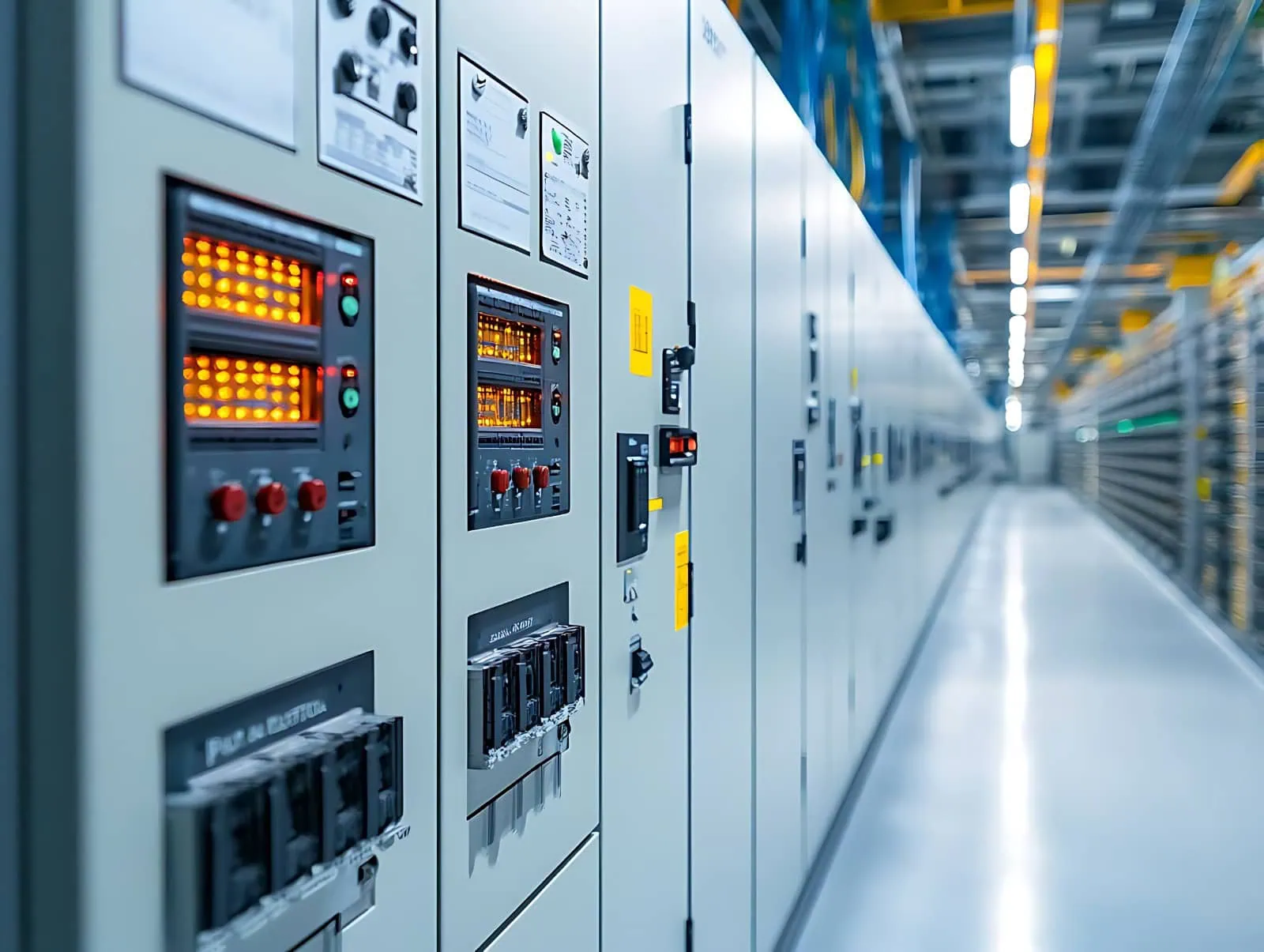
A control panel is far more than a box fixed to a wall. It acts as the decision‑making layer between the incoming power supply and the equipment that depends on it. In practice, it is the brain of the facility’s electrical system, directing energy safely and efficiently to where it is required. The Key functions inside a well‑designed control panel include:
- Circuit breakers that protect equipment from excess current
- Contactors that switch motors on and off without harmful voltage spikes
- Overload relays that monitor current continuously and trip when limits are exceeded
- Programmable Logic Controllers (PLCs) that automate sequences based on inputs and commands
- Human Machine Interfaces (HMIs) that provide operators with visibility and control
- Variable Frequency Drives (VFDs) that adjust motor speed so processes run at the pace required
When these elements are correctly specified and integrated, the facility operates reliably and predictably. If even one part is undersized or poorly matched, the control panel can become the hidden source of faults that only appear after a major breakdown. A control panel therefore does more than protect equipment it safeguards production continuity and, in many industries, it protects people. For a deeper technical overview of how electrical control panels function, you can explore this external resource: Electrical Control Panel Basics – All About Circuits.
Industries That Rely on Control Panels
Control panels are an essential part of daily operations across many industries. They provide the control, protection, and automation that keep systems running safely and efficiently.
Examples include:
- Manufacturing and automation lines
- Motor control centres for large facilities
- Pump stations and water treatment plants
- HVAC systems in commercial and industrial buildings
- Conveyor systems in logistics and production
- Food processing and packaging lines
- Chemical plants and processing facilities
- Oil and gas auxiliary systems
- Construction site temporary power distribution
- Custom machine operations across multiple sectors
What changes from one industry to another is not the control panel itself, but the demands placed upon it. A food processing control panel requires wash down enclosures to prevent water ingress. A pump station control panel in Saudi Arabia needs overload protection and ideally remote monitoring, as access to remote sites is not always immediate. A conveyor control panel must include sequence logic and reliable emergency stop integration, since a delayed stop can result in damaged products or even injury.
Safe Area vs Explosion-Proof
Before any decision is made, one crucial question must be asked: is the installation area safe or hazardous? In safe areas, standard industrial control panels can be used. These are typically constructed from steel or stainless steel, designed to resist dust and moisture, and are suitable for factories, HVAC systems, water treatment plants, and conveyor operations.
In hazardous areas, explosion‑proof control panels are required. These panels are engineered to contain sparks or faults within the enclosure, preventing ignition outside. They carry certifications such as ATEX or IECEx and must be used in classified zones such as Zone 1 or Zone 2. A Control Panel Supplier in Qatar, for example, will always confirm the area classification before providing a quotation, particularly near oil, gas, or chemical facilities.
Using a standard control panel in a hazardous environment is a serious error and a breach of safety regulations. Responsibility lies with both the supplier and the facility to ensure the correct type of panel is installed. Clear distinction between safe areas and hazardous areas is essential to avoid costly mistakes and, more importantly, to protect people and operations.
Key Considerations Before Purchasing a Control Panel
Ensuring right details from the very beginning is vital, because the most important questions are often left unasked until it becomes too late to make changes without additional expense. So following factors must be carefully considered to ensure the control panel truly serves its purpose:
- Voltage and power rating (220V to 415V AC, up to 250kW depending on configuration)
- Control method: manual, automatic, or PLC‑based
- Requirement for HMI or remote control capability
- Enclosure protection rating (IP54 for standard indoor use, IP65 for wet or wash‑down environments)
- Choice of mild steel or stainless steel enclosure, depending on environmental conditions
- Mounting type: wall‑mounted or floor‑mounted, based on space and cable routing
- Operating temperature range (‑10°C to +50°C is the standard rating)
- Safe area or explosion‑proof configuration
Neglecting any of these considerations does not usually result in immediate failure. Instead, it produces a control panel that appears to function but develops awkward faults later. Six months down the line, those faults often demand costly alterations far more expensive than ensuring the correct specification from the outset.
Common Specification Errors and Their Consequences
There’s a pattern to control panel problems in the field, and it is rarely random component failure. It is almost always a specification or build quality decision that seemed reasonable at the time but proved unsuitable later.
- Panels specified for safe areas but later installed in hazardous environments after reclassification
- Undersized contactors that fail under real operating conditions with unexpected load spikes
- No spare capacity in the enclosure, making future modifications impossible without rebuilding
- Poor cable management causing heat build‑up and premature insulation ageing
- Missing surge protection in regions with frequent power fluctuations
- Lack of remote monitoring where panels are located far from immediate access
Every one of these issues can be avoided at the specification stage. None are inexpensive to correct once the control panel is installed and operational, which is why proper specification from the outset is critical.
Regional Challenges for Control Panels
A control panel that performs reliably in a European test environment may not behave the same way in Sharjah during peak summer or on a coastal site in Oman where salty air causes long‑term corrosion. Operating across the UAE, Saudi Arabia, Qatar, and Oman creates demands that standard datasheets alone cannot fully prepare for, making it essential to consider local conditions when specifying enclosures and components.
- Sustained ambient temperatures that push cooling systems to their limits during peak summer months
- Dust and sand ingress in outdoor or semi‑outdoor installations, making higher IP ratings essential rather than optional
- Power supply fluctuations that panels must absorb without tripping or causing nuisance faults that halt production unnecessarily
- Coastal humidity that accelerates corrosion on enclosures and internal components more quickly than inland conditions
- Remote installations where panels may go weeks without inspection, making component quality the difference between routine maintenance and emergency response
This is why companies look for a control panel supplier in the region who understands these challenges. At Pokhara Motors, every recommendation is shaped by actual operating conditions, ensuring that each control panel is specified to protect production, equipment, and people in the environments where it will be used.
Keeping a Control Panel Running for the Long Term
A reliable control panel does not require many things, but the essentials must be maintained consistently. Regular care ensures smooth operation and prevents costly failures. The key practices include:
- Checking terminal connections regularly, as vibration and thermal cycling can loosen them over time.
- Keeping cooling fans and ventilation paths clear of dust to avoid overheating.
- Periodically testing overload relay settings against actual motor current, since loads may change.
- Verifying PLC programme integrity and backing up configurations after each update.
- Inspecting enclosure seals and gaskets to maintain the IP rating under prolonged heat exposure.
- Documenting all wiring and configurations thoroughly for effective troubleshooting.
If control panels are checked routinely, they will perform reliably over time. Opening a panel only when something goes wrong often means discovering the problem too late. This is especially important in Oman, where many panels are installed far from service centres. A good Control Panel Supplier in Oman understands that breakdowns can take hours to address, not minutes, and ensures that panels are built to minimise such risks.
What Pokhara Motors Offers
Pokhara Motors is a trusted Control Panel Supplier in UAE, Saudi Arabia, Qatar, and Oman, offering durable, electrical control panels built for industrial automation, motor control, HVAC systems, and more.
Pokhara Control Panel
Pokhara Motors supplies control panels of inhouse brand Pokhara that meet the demands of modern industrial environments. Built with durability and flexibility in mind, each panel is engineered to deliver reliable performance across diverse applications.
Key specifications include:
- Mild steel or stainless steel enclosures
- Safe area and explosion‑proof configurations
- Voltage ratings from 220V to 415V AC, with power up to 250kW
- Protection ratings of IP54 for standard use and IP65 for outdoor or wash‑down environments
- Manual, automatic, and PLC‑based control options with LED indicators, alarms, push buttons, HMI, and remote monitoring capability
- Operating temperature range of ‑10°C to +50°C for continuous duty
- Customisable layouts tailored to process requirements rather than adapted from generic builds
Alongside control panels, Pokhara Motors also provides a full range of automation solutions, including drives for motor speed control. As a trusted Control Panel Supplier in the UAE, Saudi Arabia, Qatar, and Oman, we ensure that every panel is specified to match real operating conditions. With additional offerings as an automation product supplier and VFD supplier, we simplify commissioning, reduce integration risks, and make troubleshooting straightforward.
Frequently Asked Questions
1. Are control panels in UAE and GCC required to meet IEC 61439 standards?
Yes. Industrial control panels in the UAE, Saudi Arabia, Qatar, and Oman must comply with IEC 61439 and local utility regulations. Pokhara Motors designs panels to meet these standards, ensuring safety and approval for industrial use.
2. How often should control panels be inspected in GCC climates?
Due to heat, dust, and humidity, panels should be checked every 6–12 months. Preventive maintenance reduces downtime and extends service life. Pokhara Motors advises inspection schedules tailored to local conditions.
3. How do I ensure a control panel meets local utility approvals in UAE, Saudi Arabia, Qatar, and Oman?
Control panels must comply with IEC 61439 and local utility rules such as DEWA in the UAE or SEC in Saudi Arabia. Pokhara Motors supplies control panels to meet these standards, ensuring smooth approval and avoiding commissioning delays.
4. What is the typical delivery time for a custom control panel in UAE or Saudi Arabia?
Most custom builds are delivered within 4-6 weeks, depending on specification. Pokhara Motors sources locally to reduce delays and ensure faster commissioning compared to overseas suppliers.
5. What warranty and after‑sales support does Pokhara Motors provide for control panels?
Pokhara Motors offers warranty coverage on all control panels along with technical support. After‑sales service includes troubleshooting assistance and guidance to ensure panels continue performing reliably in demanding GCC environments.
Conclusion
Control panels build their reputation over time. A well‑specified panel runs for years without drawing attention, while a poorly planned one gains its reputation through constant faults, production delays, and repeated repair visits. The difference is almost always decided during the planning stage, before any component is purchased or any wire is connected.
That is why engaging with a supplier is just as important as the product itself. For dependable solutions and professional guidance, Pokhara Motors stands as your trusted Control Panel Supplier across the UAE, Saudi Arabia, Qatar, and Oman ensuring every panel is built to perform reliably in the environments where it matters most.
Contact Pokhara Motors
UAE (Head Office)
📞 +971 6 566 8176 | +971 6 566 8076
📧 sales@pokharamotors.com
Saudi Arabia
📞 +966 53 965 4113 (Dammam) | +966 53 038 0546 (Jeddah)
📧 info@pokharamotors.com
Qatar
📞 +974 6616 3852
📧 salesqa@pokharamotors.com
Oman
📞 +968 97225517
📧 oman@pokharamotors.com
🌐 Website: https://pokharamotors.com/