What Makes Pump Food Grade?
Food manufacturing has evolved into a highly controlled and precision-driven industry. Every stage of production now focuses on hygiene, efficiency, and consistency. One of the most critical components enabling this is the food grade pump, which ensures safe and contamination-free fluid transfer.
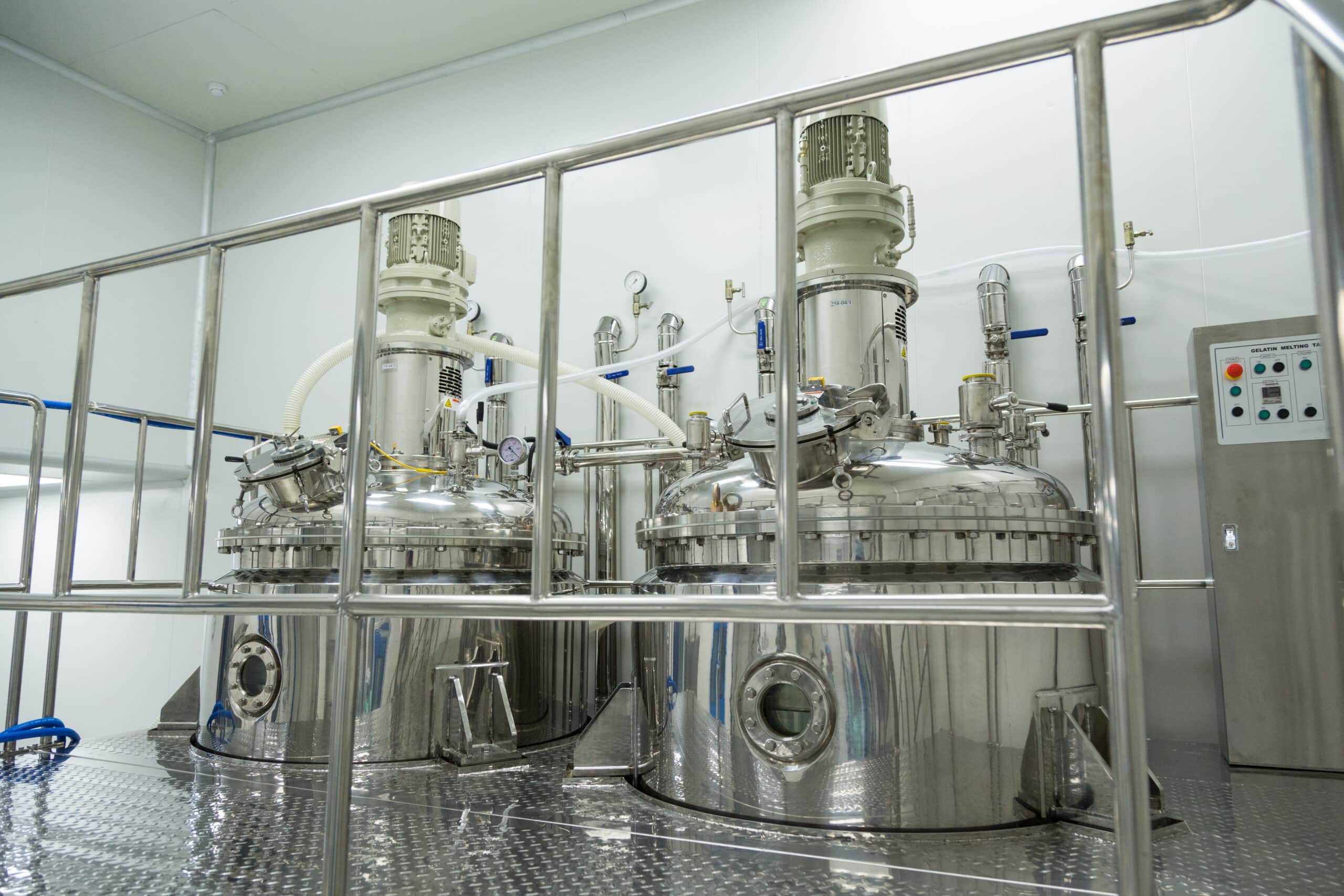
A food grade pump is specifically designed to handle consumable liquids such as milk, juice, sauces, syrups, and edible oils. Unlike standard pumps, these are built with sanitary-grade materials like stainless steel and smooth internal surfaces to prevent bacterial growth and contamination.
These pumps are essential in maintaining product integrity from processing to packaging. Industries searching for a reliable food grade pump supplier in UAE, Saudi Arabia, Qatar and Oman depend on such systems to ensure consistent quality and compliance.
Why Food Safety Starts With the Right Pumping System
Food safety does not begin at packaging, it starts at the very first stage of fluid handling. Every transfer step in a production line introduces potential risks if equipment is not designed properly.
A poorly designed pump can lead to:
- Bacterial contamination
- Product degradation
- Cross-contamination between batches
- Inefficient cleaning cycles
On the other hand, a well-engineered food grade pump ensures smooth, contamination-free transfer while maintaining the natural properties of the product.
This is especially important in high-demand food industries where even minor inconsistencies can lead to major losses. Selecting the right system is not just a technical decision it is a business-critical one. For food and fluid-processing applications, businesses should work with a Gear Pump supplier in UAE that can help identify a pump appropriate for the required fluid, operating conditions and equipment setup.
Industries That Depend on Food Grade Pumps Every Day
Food grade pumps are widely used across multiple industries that deal with consumable liquids and semi-liquids. Some of the key sectors include:
- Dairy processing (milk, cream, yogurt)
- Beverage production (juices, soft drinks, flavored drinks)
- Bakery and confectionery (syrups, chocolate, fillings)
- Edible oil processing
- Sauces, condiments, and dressing manufacturing
- Pharmaceutical and nutritional liquid production
Each of these industries requires precise handling of sensitive materials. A slight change in pressure, temperature, or contamination level can impact final product quality.
Because of this, companies continuously search for a food grade pump supplier in UAE, Saudi Arabia, Qatar and Oman who understands these industrial requirements and can provide reliable long-term solutions.
Key Features to Look for in a Hygienic Pump
Not all pumps are suitable for food applications. A true food grade pump must meet strict design and performance standards.
Key features include:
- Stainless steel construction (SS304 or SS316) for corrosion resistance
- Smooth internal surfaces to prevent bacterial growth
- CIP (Clean-in-Place) compatibility for easy cleaning
- Low shear design to protect product quality
- Leak-proof sealing systems
- Energy-efficient operation
These features ensure that the pump not only performs efficiently but also maintains hygiene at every stage of operation.
Common Types of Food Grade Pumps Used in Processing Facilities
Different food applications require different pumping technologies. Some of the most commonly used food grade pumps include:
- Centrifugal Pumps – Ideal for low-viscosity fluids like milk and juice
- Positive Displacement Pumps – Suitable for thick fluids like syrups and sauces
- Lobe Pumps – Used for delicate products requiring gentle handling
- Diaphragm Pumps – Common in hygienic chemical and food transfer systems
Each type plays a specific role depending on viscosity, flow rate, and production requirements.
Choosing the correct pump type is essential for efficiency, cost control, and product quality.
How the Right Food Grade Pump Improves Product Quality and Consistency
Product quality in food manufacturing is not just about ingredients. It is also about how those ingredients are handled during processing.
A properly selected pump ensures:
- Consistent texture and viscosity
- No separation or degradation
- Accurate flow control
- Minimal product wastage
This leads to a more uniform final product, which is essential for brand reputation and customer satisfaction.
Even small inefficiencies in pumping systems can lead to batch variations, which are costly in large-scale production environments.
Essential Factors to Consider Before Selecting a Food Grade Pump
Before investing in a pumping system, businesses must evaluate several key factors:
- Type of fluid being handled
- Viscosity and density
- Temperature sensitivity
- Required flow rate
- Cleaning and maintenance needs
- Production capacity
- Compliance requirements
Ignoring these factors can lead to frequent breakdowns, contamination risks, and increased operational costs.
This is why working with an experienced supplier becomes important when selecting industrial equipment.
Preventing Contamination and Ensuring Regulatory Compliance
Food safety regulations are becoming stricter worldwide, and compliance is now a major priority for manufacturers.
Food grade pumps help in:
- Preventing microbial contamination
- Ensuring hygienic transfer between stages
- Supporting traceability and audit requirements
- Maintaining consistent sanitation standards
Industries that fail to meet these requirements risk product recalls and regulatory penalties.
A properly designed pumping system acts as the first line of defense in maintaining compliance.
Food Processing Challenges Across UAE, Saudi Arabia, Qatar and Oman
Food industries across the GCC region face similar challenges despite differences in scale and production types. Some common challenges include:
- High temperature operating environments
- Demand for large-scale production efficiency
- Strict hygiene regulations
- Need for energy-efficient systems
- Increasing demand for processed food products
These challenges require durable and efficient pumping solutions that can perform consistently under pressure.
This is why demand for a food grade pump supplier in UAE, Saudi Arabia, Qatar and Oman continues to grow as industries modernize their production facilities.
Maximizing Efficiency Through Proper Pump Selection and Maintenance
Efficiency is not only about equipment performance. It is also about how well it is maintained.
Proper pump selection and maintenance can:
- Reduce downtime
- Lower energy consumption
- Extend equipment lifespan
- Improve production output
Routine inspection, cleaning, and servicing ensure long-term reliability and prevent unexpected breakdowns.
Businesses that invest in quality equipment and maintenance strategies see significantly better operational performance.
Applications Supported by Pokhara Motors Food Grade Pump Solutions
Food grade pump systems play a vital role in supporting multiple industrial applications. At Pokhara Motors, the DAVE SCM‑ST Stainless Steel Series and the DAVE Apex JKSS Stainless Steel Series are designed to meet the highest standards of hygiene and durability, ensuring safe and efficient fluid handling across industries.
These solutions are trusted for a wide range of uses, including:
- Beverage and juice processing lines
- Dairy product manufacturing systems
- Edible oil transfer operations
- Sauce and condiment production
- Liquid food packaging systems
- General hygienic fluid transfer applications
By offering stainless steel pump solutions tailored to these applications, Pokhara Motors helps businesses maintain smooth production workflows while meeting strict hygiene requirements. For industries searching for a reliable food grade pump supplier in UAE, Saudi Arabia, Qatar, and Oman, having access to application‑based solutions ensures better operational outcomes.
Future Trends in Hygienic Pumping Technology
The future of food processing is moving toward automation, efficiency, and sustainability. Hygienic pumping technology is also evolving rapidly.
Key trends include:
- Smart monitoring systems for predictive maintenance
- Energy-efficient motor integration
- Advanced CIP (Clean-in-Place) automation
- Improved material engineering for longer lifespan
- IoT-based performance tracking
These innovations are helping manufacturers reduce costs while improving safety and efficiency.
Companies that adopt modern pumping solutions early gain a strong competitive advantage in the market.
Conclusion
Food manufacturing success depends on hygiene, efficiency, and reliable equipment. A properly designed food grade pump ensures safe operation, consistent product quality, and regulatory compliance.
As industries continue to grow, the demand for advanced pumping systems increases across global food production markets.
For reliable industrial solutions and application-based support, Pokhara Motors provides trusted pumping systems designed for modern food processing needs.
Get Expert Call Today
For reliable food-grade pumping solutions and expert industrial support, contact Pokhara Motors:
UAE (Head Office)
📞 +971 6 566 8176 | +971 6 566 8076
📧 sales@pokharamotors.com
Saudi Arabia
📞 +966 53 965 4113 (Dammam) | +966 53 038 0546 (Jeddah)
📧 info@pokharamotors.com
Qatar
📞 +974 6616 3852
📧 salesqa@pokharamotors.com
Oman
📞 +968 97225517
📧 oman@pokharamotors.com
🌐 Website: https://pokharamotors.com/