An Industrial gear motor is used when an industrial machine needs controlled speed and enough torque to drive its moving parts. But choosing one is not simply a matter of looking for a motor with a certain kW rating.
The motor, gear reduction, output speed, torque and mechanical connection all need to work together. The right setup can be different for a conveyor, mixer, packaging machine or material handling system even when the machines appear to have similar power requirements.
This is why it helps to understand what goes into a gear motor and what information you should have before sourcing one in the UAE. It also helps clarify an important point: a gear motor is a combination of an electric motor and a gear reducer, while an electric motor and a gear reducer can also be supplied as separate components depending on the machine design.
What Is a Gear Motor?
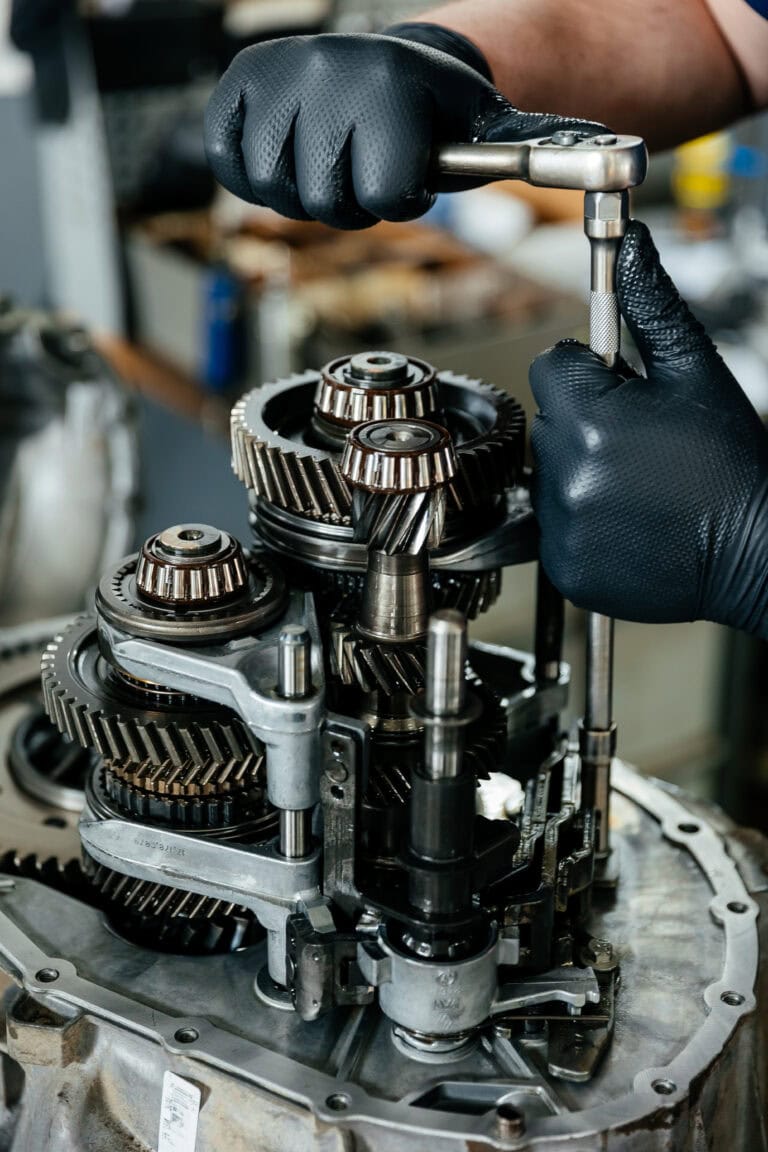
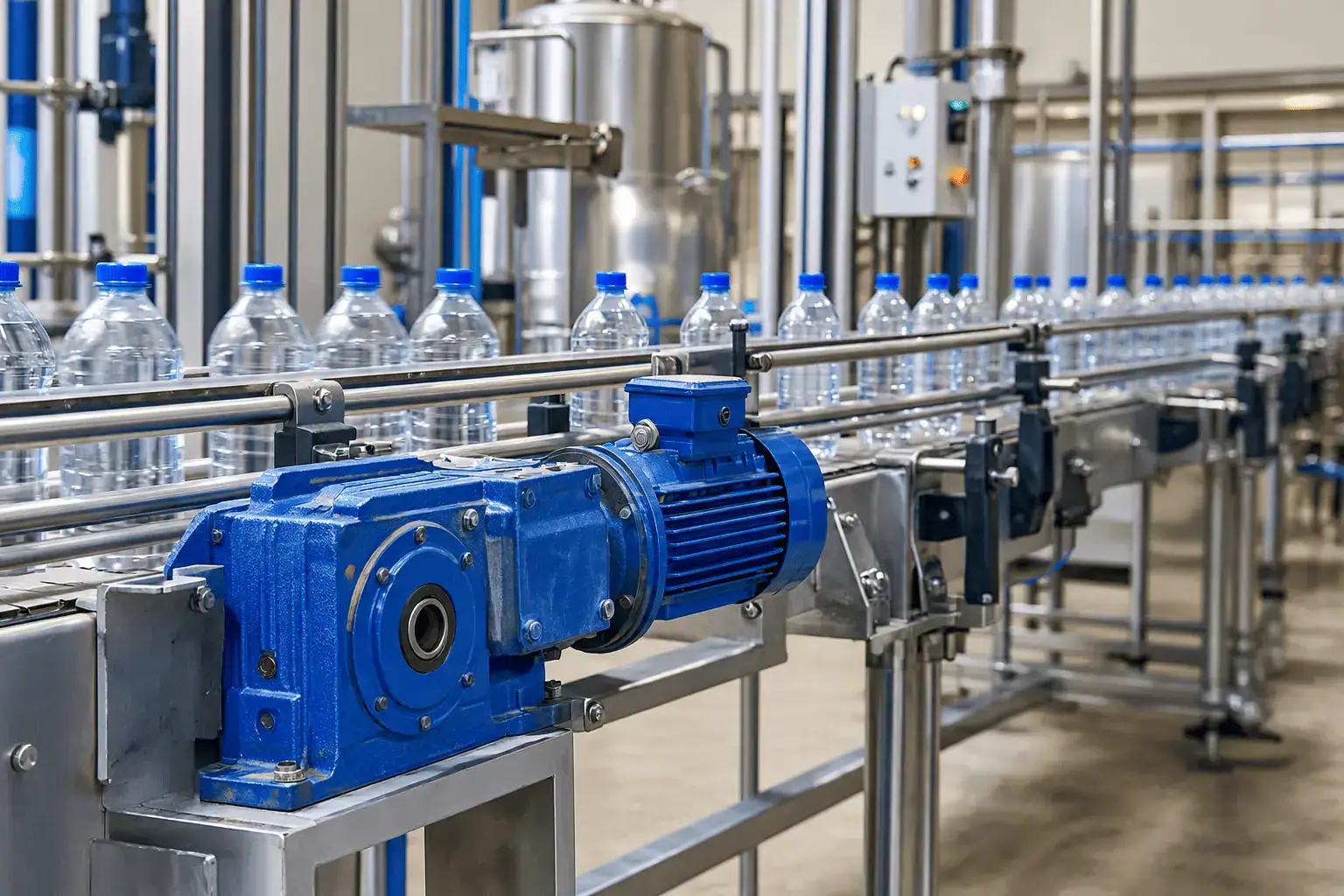
A gear motor is an integrated drive unit that combines an electric motor with a gear reducer.
The electric motor provides the rotational power. The gear reducer then reduces the motor’s input speed and delivers the required output speed and torque to the driven machine.
For example, an electric motor may operate at a much higher RPM than a conveyor or other machine requires. A gear reducer is used to bring that speed down to the required output level while providing the appropriate torque for the application.
This combination is why gear motors are commonly used in industrial equipment where the machine needs a controlled rotational speed rather than the full speed of the electric motor.
The exact configuration depends on the machine. In some systems the motor and reducer are supplied as an integrated geared motor. In others, the electric motor and gear reducer are selected separately and connected as part of the complete drive system.
Gear Motor vs Electric Motor and Gear Reducer
Understanding the terminology is important when sourcing industrial drive equipment.
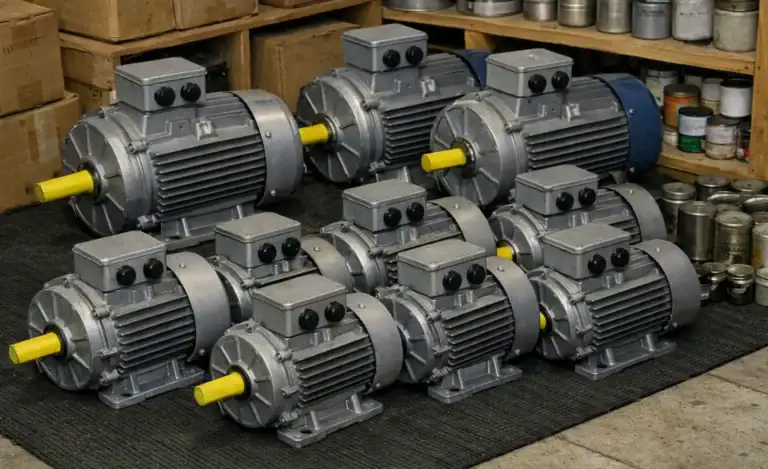
An electric motor produces rotational power but does not by itself provide the speed reduction that many industrial machines require.
A gear reducer is a mechanical transmission component that reduces input speed and changes the torque available at the output shaft.
A gear motor combines the two into one integrated unit.
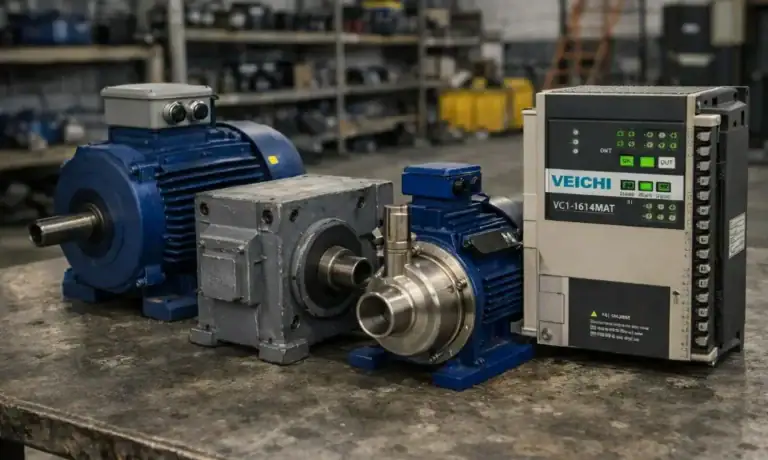
Pokhara Motors’ current product structure reflects this distinction. Its website lists Electric Motors and Gear Reducers as separate product categories. Its gear reducer range includes inline helical, bevel helical, shaft-mounted, worm, planetary and other configurations.
This means that when a customer is looking for a gear motor application, the requirement may involve selecting both the appropriate electric motor and the appropriate gear reducer rather than treating every gear reducer as a complete gear motor.
Why Does Gear Motor Selection Matter?
The drive system directly affects how the machine operates.
If the output speed is too high, the driven equipment may run faster than intended. If the available torque is too low, the drive may struggle when starting or when the load increases.
The opposite can also be a problem. Selecting a much larger motor or reducer than the application requires may increase cost and may not provide a practical advantage.
The right approach is to start with the machine.
What speed does it need? How much torque is required? How often does it start and stop? What type of load does it handle? How much space is available for the drive?
Once these questions are answered, the motor and reduction arrangement can be evaluated more accurately.
What Should You Check Before Choosing a Gear Motor?
Before contacting a supplier, try to collect the basic operating information for the machine.
You may need:
- Motor power in kW or HP
- Required output speed in RPM
- Required output torque
- Gear ratio
- Type of driven machine
- Load characteristics
- Operating hours
- Starting and stopping frequency
- Mounting arrangement
- Shaft dimensions
- Available installation space
- Voltage
- Phase
- Frequency
- Ambient conditions
- Existing motor or reducer details
You may not have every specification. That’s normal.
If this is a replacement project, the existing nameplate, model number and dimensions can provide a useful starting point. A clear photograph of the nameplate can also help when discussing the requirement with a supplier.
1. Start With the Required Output Speed
The first question is often simple: how fast does the machine need the output shaft to turn?
An electric motor normally operates at a higher speed than many driven machines require. The gear reducer provides the necessary speed reduction.
For example, suppose a motor operates at approximately 1,450 RPM while the driven equipment requires around 145 RPM. A reduction ratio close to 10:1 would be an initial calculation.
The actual selection still needs to account for the available gearbox ratios, torque, motor power and application.
This is why the required output RPM should be established before selecting the complete drive.
2. Determine the Required Torque
Torque describes the turning force available at the output shaft.
It becomes particularly important when a machine has a heavy load, starts under load or experiences changes in resistance during operation.
A conveyor carrying a relatively consistent load may have different torque requirements from a mixer that experiences changing resistance as material is added.
Starting conditions also matter. A machine that has to overcome a high load from a stationary position may require different drive characteristics from equipment that starts with little resistance.
If the exact torque is known, include it when requesting a quotation. If it is not known, provide the machine type, load and operating details so the requirement can be reviewed.
3. Check the Motor Power
Motor power is normally specified in kW or HP and is one of the main specifications used when selecting an electric motor.
However, power alone does not determine whether the complete drive is suitable.
The motor power needs to be considered together with speed, torque, gear ratio and duty. A motor with the correct kW rating may still be unsuitable if the output speed or torque does not match the machine.
This is particularly important when replacing an existing drive. The new motor should not be selected simply because its power rating matches the old motor. The complete operating requirement should be checked.
4. Select the Gear Ratio
The gear ratio determines how much the motor speed is reduced before reaching the output shaft.
A simple starting calculation is:
Gear ratio = Motor speed ÷ Required output speed
So if the motor speed is 1,450 RPM and the required output speed is 145 RPM:
1,450 ÷ 145 = 10
This gives an initial ratio of approximately 10:1.
The final gear reducer still needs to be checked for torque capacity, efficiency, available ratios, mounting and duty. The calculation gives you a starting point rather than a complete selection.
5. Consider the Type of Load
Machines do not all place the same demand on their drive systems.
Before selecting the motor and reducer, consider whether the machine has:
- A steady continuous load
- A variable load
- An intermittent load
- Frequent starts and stops
- Frequent reversing
- Sudden load increases
- Shock loading
For example, a machine that operates at a steady speed for several hours may have different requirements from equipment that starts and stops repeatedly throughout a production cycle.
Giving the supplier a realistic description of the load can make the selection process much more useful.
6. Consider the Duty Cycle
How long the machine runs is another important part of the specification.
A machine operating continuously for many hours can place different demands on the motor and reducer than equipment that runs for short periods with regular breaks.
Starting frequency also matters. Frequent starts and stops can place additional demands on the motor and mechanical transmission.
When requesting a gear motor or a motor-and-reducer combination, mention how many hours the equipment operates each day and approximately how often it starts and stops.
7. Check the Mounting Arrangement
A drive can have the correct power, speed and torque and still fail to fit the machine.
Before ordering, check the mechanical arrangement carefully.
Depending on the equipment, you may need to confirm:
- Mounting type
- Mounting dimensions
- Shaft diameter
- Shaft length
- Output shaft arrangement
- Mounting orientation
- Coupling arrangement
- Available clearance
- Alignment
This is especially important for replacement projects. The existing motor and reducer may have specific dimensions that need to be matched.
8. Think About the Installation Environment
The environment where the drive operates should also be part of the discussion.
Industrial equipment in the UAE can be installed in a wide range of locations, from enclosed manufacturing areas to dusty or higher-temperature environments. The actual site conditions should therefore be considered when specifying the motor and reducer.
Temperature, dust, moisture, ventilation and installation location can all affect equipment selection and maintenance requirements.
There is no single configuration that suits every industrial site. The equipment specification should be matched to the conditions where the drive will actually operate.
Common Gear Reducer Configurations Used With Electric Motors
Because a gear motor is made up of a motor and reduction system, understanding the different reducer configurations is useful when planning a complete drive.
Inline Helical Gear Reducers
Inline helical Gear reducers are designed for applications where the input and output arrangement follows a relatively straight drive path.
They can be used in various industrial systems where controlled speed reduction and torque transmission are required.
The appropriate reducer still depends on the motor power, required output speed, torque, mounting arrangement and duty. Pokhara motors supplies Inline Helical- NHL / MNHL and Inline Helical – AR.
Bevel Helical Gear Reducers
Bevel helical gear reducers are useful where the drive needs to change direction while transmitting power to the driven machine.
The right configuration depends on the machine layout, output speed, torque, mounting and available installation space. Bevel Helical- BH / MBH and Bevel Helical – AK are offered by Pokhara Motors.
Worm Gear Reducers
Worm gear reducers provide a compact right-angle arrangement and are available in different reduction ratios.
They can be considered for equipment where the motor and driven shaft need to be positioned at different angles. The required ratio, torque, duty and mounting arrangement should still be checked before selecting a model.
Pokhara Motors is a trusted gearbox supplier in the UAE, offering high‑quality Atlas, SITI, and Bonfiglioli worm gearboxes for diverse industrial needs.
Shaft-Mounted Gear Reducers
Shaft-mounted gear reducers are designed around the driven shaft in suitable applications.
This arrangement can be useful for conveyors and material handling equipment where the gearbox needs to connect directly with the driven shaft.
Shaft dimensions, torque, ratio and installation arrangement should be checked carefully before ordering. Shaft Mounted-PL/PD and Shaft Mounted – AF are one of the best gear reducer available in UAE.
Planetary Gear Reducers
Planetary NRG / MNRG gear reducer use multiple gears within the reduction system and can provide high torque transmission within a relatively compact arrangement.
They are available for applications with demanding power transmission requirements. The appropriate model depends on the required torque, speed, ratio, mounting and duty.
Pokhara Motors currently lists planetary gear reducers within its Gear Reducer category rather than as standalone gear motors.
Where Are Gear Motors Used?
Gear motors and motor-reducer drive systems are used in many types of industrial equipment where controlled speed and torque are required.
Common examples include:
- Conveyor systems
- Material handling equipment
- Packaging machinery
- Mixers
- Processing machinery
- Manufacturing equipment
- Automated mechanical systems
- Other equipment requiring reduced rotational speed
The required drive can vary considerably between these applications.
For example, a conveyor may need a specific output speed to maintain the required belt speed. A mixer may need additional torque to deal with changing material resistance. Packaging equipment may have different requirements again because movement and speed need to match the production process.
The application should therefore be part of the specification rather than treating every gear motor requirement as the same.
How Electric Motors and Gear Reducers Work Together
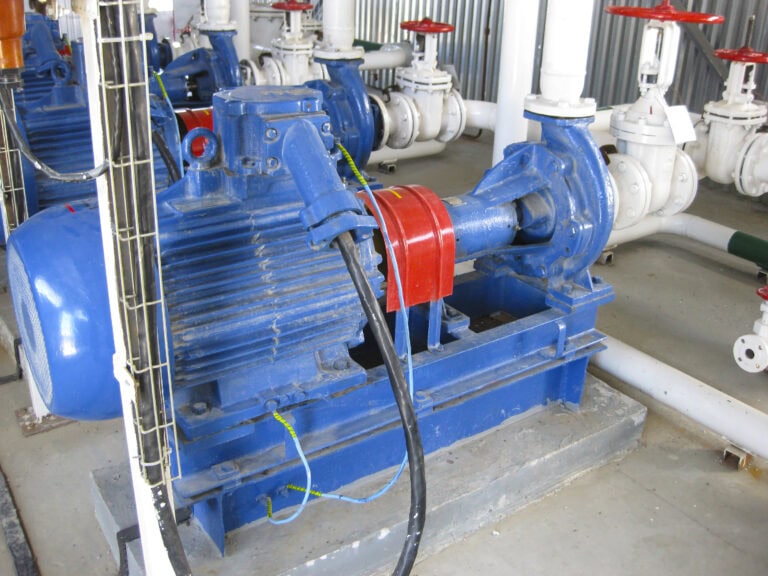
When a motor and reducer are supplied separately, they still form part of the same drive system.
The electric motor provides the input power and rotational speed, while the gear reducer receives that input and changes the speed and torque before transferring the output to the machine. For applications that require a suitable motor for this type of drive arrangement, Pokhara Motors is an electric motor supplier in UAE, offering single phase electric motor, brake motor explosion proof electric motor and many other options that can be considered alongside the required gear reducer.
This arrangement can give engineers more flexibility when designing or replacing a drive because the motor and reducer can be selected according to the actual requirements.
For example, the required motor may be selected based on power, voltage, phase and operating conditions while the reducer is selected based on ratio, torque, output speed and mounting.
The compatibility between the two components must then be checked as part of the complete drive arrangement.
What Information Should You Give a Supplier?
If you are looking for a Gear Motor supplier in UAE, explain the complete application rather than asking only for a motor size.
Useful information includes:
- Motor power
- Motor speed
- Required output speed
- Required torque
- Gear ratio
- Machine type
- Load type
- Operating hours
- Starting frequency
- Direction of rotation
- Mounting arrangement
- Shaft dimensions
- Voltage
- Phase
- Frequency
- Site conditions
- Existing model number
- Existing nameplate details
If you already have an electric motor or gear reducer, provide the model and specification details. This can help determine whether you need a replacement component or a complete motor-and-reducer arrangement.
Why the Supplier Needs the Application Details
Industrial drive equipment should be selected around the machine, not just around a product name.
Two customers can ask for the same gear ratio but still require different equipment because their machines operate under different loads or duty cycles.
Similarly, two motors with the same kW rating may have different speed, frame size, mounting or electrical specifications.
That is why a supplier needs more than a keyword or product name. The machine application gives context to the technical specifications.
For buyers comparing an industrial gear motor supplier in UAE, sharing the motor details, required output and machine application is a practical way to start the discussion.
What Does Pokhara Motors Supply?
Pokhara Motors’ current product structure separates Electric Motors from Gear Reducers. The Gear Reducer range includes Atlas, SITI and Bonfiglioli products across several configurations, including inline helical, bevel helical, shaft-mounted, worm, planetary and truck mixer gearboxes.
This is important when discussing a gear motor requirement.
A customer may need a complete integrated gear motor, or the application may be designed around a separate electric motor and gear reducer. In the latter case, both components need to be considered together.
Pokhara Motors can therefore be approached with the actual drive requirement, including the motor power, input speed, desired output speed, torque, ratio and mounting arrangement.
The existing product range provides separate motor and reducer options rather than requiring every customer to treat a gear reducer as a complete gear motor.
Common Mistakes When Choosing a Gear Motor
One of the most common mistakes is choosing a drive based only on motor power.
A particular kW rating does not automatically tell you whether the output speed and torque are right for the machine.
Another mistake is selecting the gear ratio without considering the load. The required output speed may be correct, but the drive can still be unsuitable if the torque requirement or duty is not properly considered.
Physical dimensions are another area that is easy to overlook. A motor and reducer need to fit the machine, including the mounting points and shaft arrangement.
For replacement projects, do not rely only on the appearance of the old equipment. Check the nameplate, model number, dimensions and operating specifications before ordering.
A Simple Gear Motor Selection Checklist
Before contacting a supplier, collect these details if they are available:
- Identify the machine being driven.
- Find the existing motor power and speed.
- Determine the required output RPM.
- Determine the required output torque.
- Identify the existing or required gear ratio.
- Describe the type of load.
- Record operating hours.
- Note starting and stopping frequency.
- Check the mounting arrangement.
- Measure the shaft dimensions.
- Record voltage, phase and frequency.
- Note the installation environment.
- Photograph the existing nameplate if this is a replacement.
- Share any available drawings or dimensions.
You do not need to know every specification before speaking with a supplier. Even a nameplate photograph and a clear description of the machine can provide useful information for the initial discussion.
Choosing the Right Drive for Your Application
There is no single motor-and-reducer combination that suits every industrial machine.
The right setup starts with the machine’s actual requirements. Output speed, torque, motor power, ratio, load, duty cycle and mounting all need to be considered together.
It is also important to distinguish between a gear motor and a gear reducer. A gear motor is a combined motor-and-reducer assembly. A gear reducer is the mechanical reduction component that can be paired with an electric motor as part of a complete drive system.
For businesses looking for gear motor solutions in the UAE, this distinction makes the sourcing process clearer. Instead of selecting a product based only on its name, provide the machine and drive requirements so the motor, reducer or complete arrangement can be reviewed appropriately.
Pokhara Motors supplies electric motors and industrial gear reducers from its UAE operation, with Atlas, SITI and Bonfiglioli gear reducer options available across its current range.
If you are replacing an existing drive or specifying one for new equipment, share the motor details, required output speed, torque, ratio and mounting information with the team. This gives the supplier a clearer basis for identifying the appropriate components or drive arrangement for the application.
Frequently Asked Questions
What is the difference between a gear motor and a gear reducer?
A gear motor combines an electric motor and a gear reducer into one integrated drive unit. A gear reducer is the mechanical component that reduces speed and changes the torque delivered to the output shaft. A separate electric motor can be connected to a gear reducer to create a complete geared drive system.
How do I choose the right gear motor for my machine?
Start with the machine’s required output speed, torque, motor power, gear ratio and operating conditions. You should also consider the load, duty cycle, mounting arrangement, shaft dimensions and available installation space. Providing these details to a supplier can help identify the appropriate motor, gear reducer or complete drive arrangement.
Can an electric motor and gear reducer be used together?
Yes. An electric motor can be paired with a compatible gear reducer to create a geared drive system. The motor power, speed, mounting, shaft connection and reducer specifications need to be checked together to ensure the two components are suitable for the application.
What information should I provide when sourcing a gear motor in UAE?
Useful information includes the required output RPM, torque, motor power, gear ratio, machine type, load, operating hours, starting frequency, mounting arrangement and shaft dimensions. For a replacement, the existing nameplate, model number and photographs of the motor or gear reducer can also help.
Does Pokhara Motors supply gear motors in UAE?
Pokhara Motors’ current product range separates electric motors and gear reducers rather than listing every gear reducer as a complete gear motor. Customers with a geared drive requirement can discuss their motor power, speed, torque, ratio, mounting and application details to determine the appropriate electric motor, gear reducer or drive arrangement for their equipment.
Conclusion
Choosing a industrial gear motor starts with understanding what the machine actually needs. Output speed, torque, motor power, gear ratio, load, duty cycle and mounting all have to work together. Getting these details right can help avoid selecting a drive that is either unsuitable for the application or larger than necessary.
It is also important to distinguish between a complete gear motor and the individual components used to build a geared drive. Pokhara Motors supplies electric motors and industrial gear reducers in the UAE, so customers can discuss their application and existing equipment details to determine the appropriate components or configuration for their requirements.
Contact Pokhara Motors
UAE (Head Office)
📞 +971 6 566 8176 | +971 6 566 8076
📧 sales@pokharamotors.com
Saudi Arabia
📞 +966 53 965 4113 (Dammam) | +966 53 038 0546 (Jeddah)
📧 info@pokharamotors.com
Qatar
📞 +974 6616 3852
📧 salesqa@pokharamotors.com
Oman
📞 +968 97225517
📧 oman@pokharamotors.com
🌐 Website: https://pokharamotors.com/